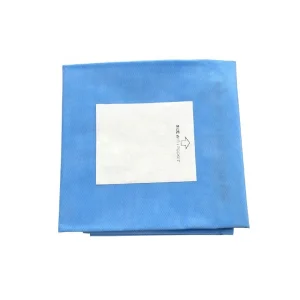
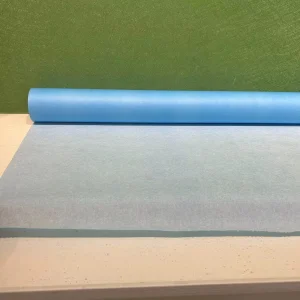
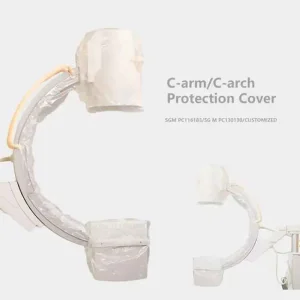
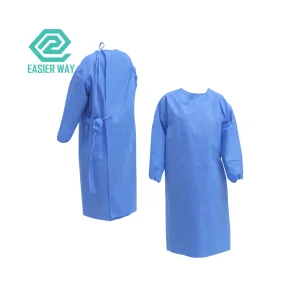
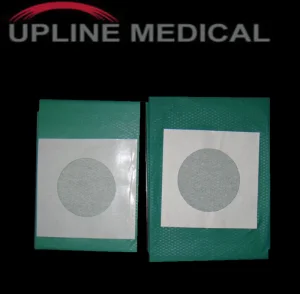
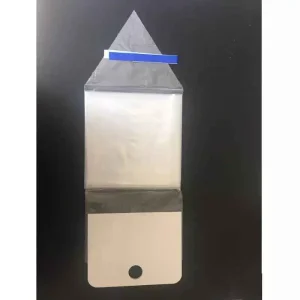
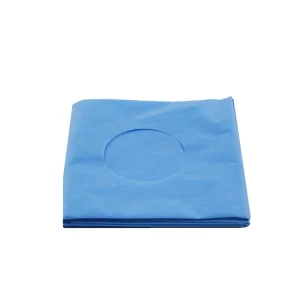
Engineered for absolute fluid resistance, certified barrier control, and targeted clinical efficacy. Discover our premium, high-volume production range.

The global single-use medical protective gear sector has experienced a profound structural pivot. Modern healthcare operations and industrial cleanrooms can no longer rely on traditional cotton-based textiles, which carry inherent risks of particulate linting and microbial transmission. Instead, structural polymer technologies—such as SMS (Spunbond-Meltblown-Spunbond), Spunlace, and Breathable PE films—have established a new paradigm in infection control.
Recent changes in Google's guidelines emphasize the value of firsthand manufacturing expertise and rigorous material certifications. Large-scale procurement demands verified compliance with global safety standards, including EN 13795 (surgical drapes and gowns) and AAMI PB70 (barrier performance metrics). Leading suppliers must combine scientific design with automated production to meet these safety requirements.

Shanghai SwellMed Medical Co., Ltd. is a globally recognized manufacturer of high-quality single-use sterile medical devices, with a strong focus on infection control and surgical safety.
We support OEM & ODM customization for healthcare providers, distributors, and brand owners worldwide.
Our core strength lies in seamlessly integrating cutting-edge R&D with practical clinical application. We possess deep domain expertise and hold numerous patents for our innovative technologies. Our products, backed by robust clinical data, are designed with a user-centric approach, ensuring reliability, ease of use, and improved patient outcomes. Furthermore, our global compliance certifications (e.g., FDA, CE) and dedicated professional support team guarantee trust and partnership at every stage.
Analyzing the industrial ecosystems, material access, and technological integration driving Chinese manufacturing excellence.
Chinese factories are situated in direct proximity to primary petrochemical refining zones and advanced non-woven textile hubs. This cluster effect simplifies material sourcing, dramatically reduces raw material lead times, and stabilizes material pricing during market fluctuations.
The transition from labor-intensive folding to fully automated ultrasonic welding systems has eliminated manual contamination risks. State-of-the-art Chinese manufacturing facilities use integrated optical sorting and automated pack assembly to ensure zero-defect production lines.
Our infrastructure matches ISO 13485:2016 quality management system standards. Facilities feature Class 100,000 cleanrooms and clean-room packaging systems. Product ranges undergo strict validation for ETO (Ethylene Oxide) gas sterilization, ensuring low-residue safety.
Bespoke protective systems designed for complex operational environments and high-risk applications.
| Target Sector | Critical Sourcing Concern | Recommended Material Spec | Primary Regulatory Compliance |
|---|---|---|---|
| Operating Theatres & Surgical Centers | Sterile fields, bloodborne pathogens, high fluid volume procedures. | Reinforced SMS / Spunlace with PU reinforcement panels. | AAMI Level 3/4, EN 13795 High Performance. |
| Diagnostic Clinics & Labs | Acid and chemical spills, viral particulate exposure. | Anti-static SMS with breathable PE micro-porous film. | Category III Type 5/6, EN 14126. |
| Hospitality, SPA & Patient Care | Cross-contamination, skin sensitivity, heavy usage rotation. | Lightweight Spunbond PP (Polypropylene) or Spunlace. | OEKO-TEX Standard 100, Biocompatibility ISO 10993. |
| Industrial Cleanrooms & Processing | Static discharge, particle shedding, paint and oil mist. | Low-linting laminated nonwovens with carbon fiber grids. | ISO Class 5-8 Cleanroom compliance, Anti-static EN 1149. |
Our medical devices have demonstrated exceptional clinical value, supporting over 50,000 successful procedures worldwide. Sales have grown 200% in three years, driven by surgeon trust and proven results in enhancing surgical precision and reducing recovery times. This performance underscores our role as a key innovator in the medical field.

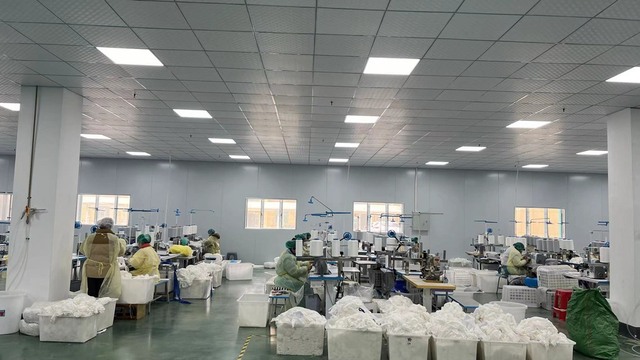
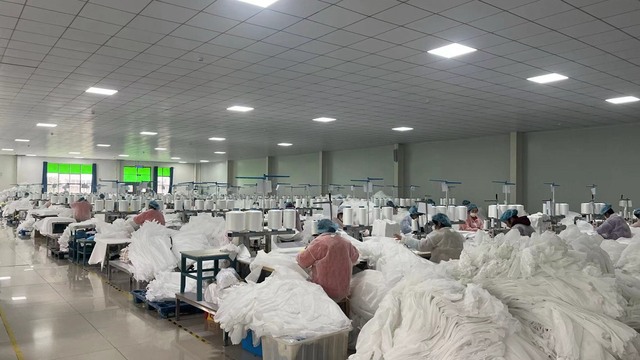
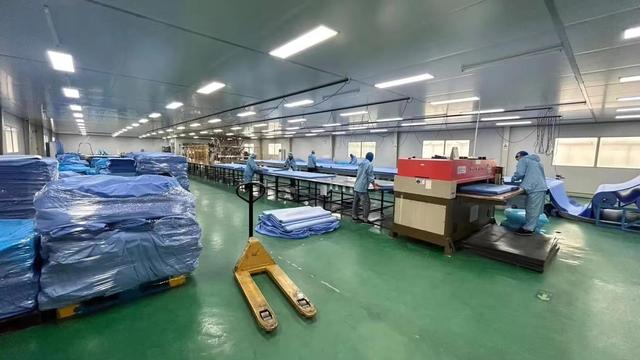
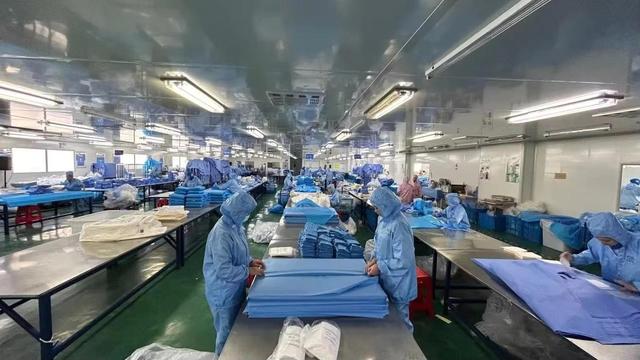
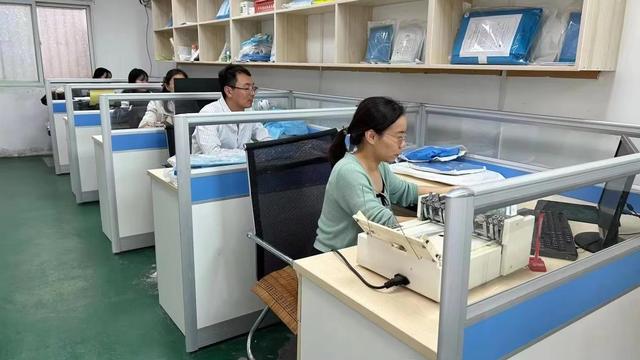
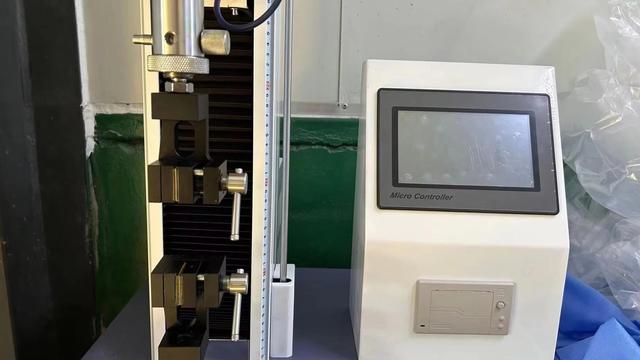
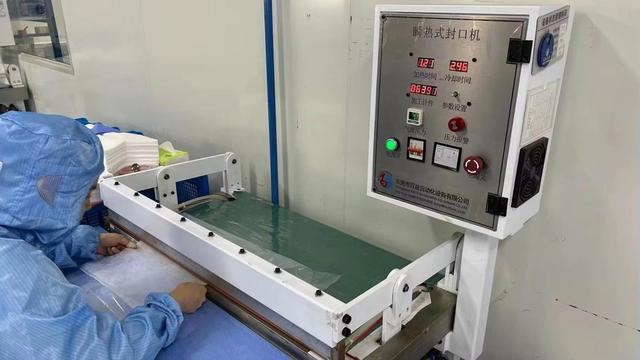
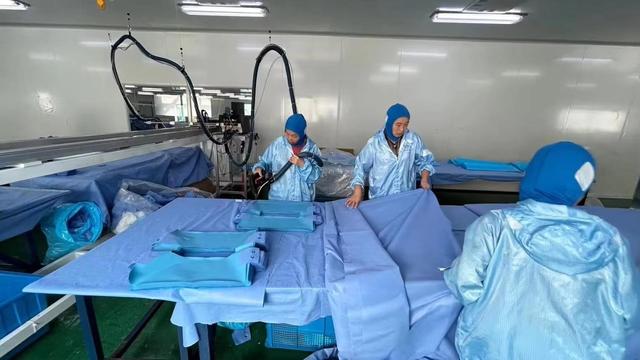
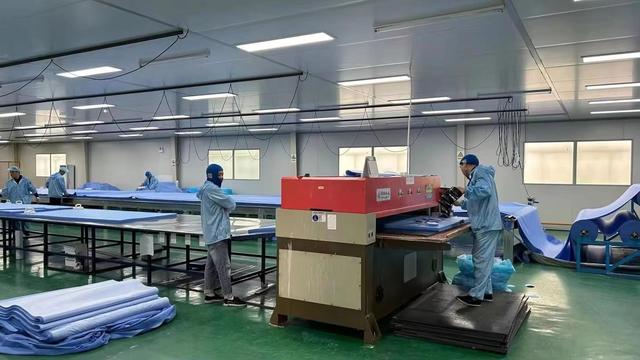
Global sourcing teams must establish standardized quality agreements when selecting single-use medical gear manufacturers. The goal of this blueprint is to mitigate risk and guarantee clinical efficacy. Organizations must screen and audit manufacturers based on key indicators:
Designed to safeguard healthcare workers, maintain sterile fields, and support specialty operations.
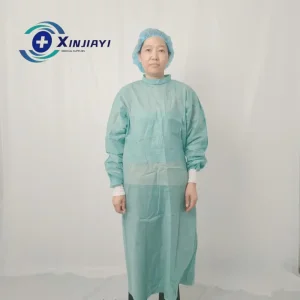
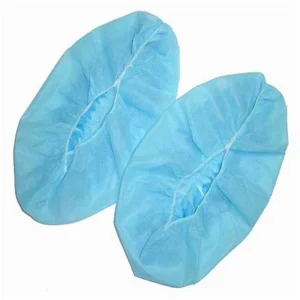
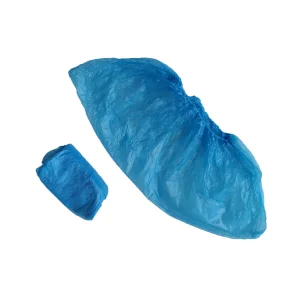
Key answers to technical considerations, custom ordering processes, and quality standards for medical and industrial applications.
Surgical drapes and gowns must comply with regional and global standards for safety and protection. In the United States, AAMI PB70 establishes a classification system based on fluid resistance: Level 1 (minimal risk), Level 2 (low risk), Level 3 (moderate risk), and Level 4 (highest level of protection, providing a complete fluid and viral barrier). In Europe, EN 13795 defines testing parameters and criteria for cleanroom garments and drapes, categorizing them into Standard Performance and High Performance levels.
We use high-barrier medical-grade Tyvek and plastic peel pouches to preserve sterility. The packaged products undergo validated Ethylene Oxide (ETO) gas sterilization cycles that comply with ISO 11135 regulations. Our cardboard shipping boxes are designed to withstand drop tests, humidity variations, and handling stresses. This design ensures that products remain sterile from the time they leave our factory in Shanghai until they are opened in the operating room.
SwellMed provides comprehensive OEM and ODM solutions to meet specific surgical procedures and clinical workflows. Customizations include component layout, drape sizes, integrated incise films, custom fenestrations, and specialized accessories. Customers can also choose material preferences (such as SMS, Spunlace, or laminated films) and design custom labeling and packaging to match their brand requirements.
SMS (Spunbond-Meltblown-Spunbond) is a multi-layer composite fabric. The outer spunbond layers offer excellent tensile strength, abrasion resistance, and durability. The inner meltblown layer consists of microfibers that act as a barrier against bacteria, viruses, and fluids. In comparison, standard spunbond polypropylene has larger pores and lacks the required barrier properties for high-risk clinical procedures.
Procurement teams can improve supply chain reliability by partnering with factories that manage raw materials efficiently, maintain buffer stock, and run multiple high-capacity production lines. Establishing long-term rolling forecasts and scheduling regular production runs helps prevent inventory shortages. Working with verified, multi-certified manufacturers like SwellMed helps minimize customs clearance delays and regulatory holds.
 SwellMed Medical