What are the Uses of Sterile Medical Products in Healthcare?

Time:2026-07-24 Author:Madeline
0%

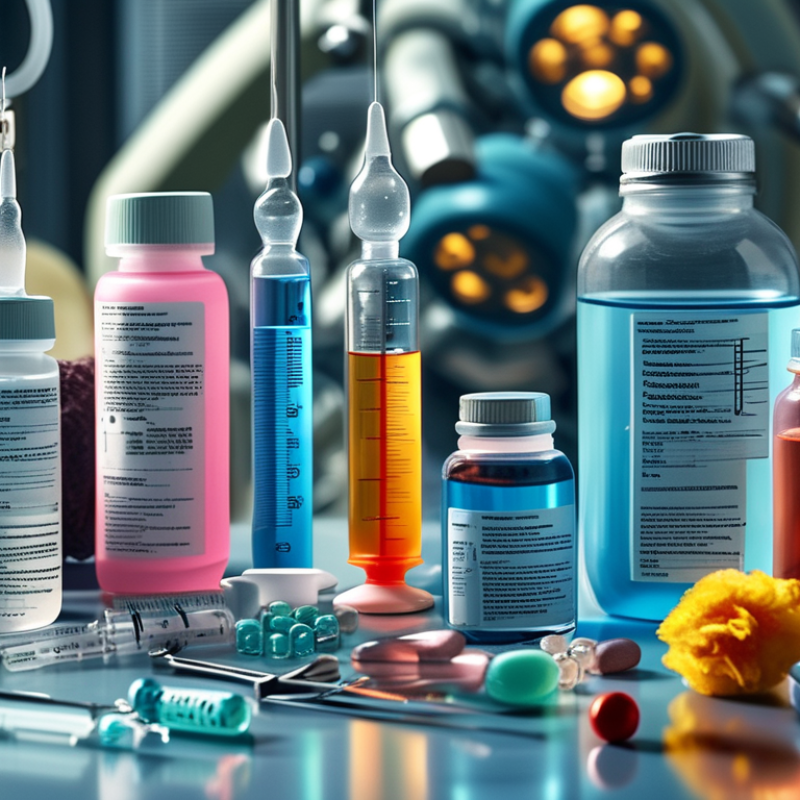
In the healthcare sector, sterile medical products are essential. Understanding what are sterile medical products used for is crucial for safe medical practices. These items, which include syringes, surgical instruments, and IV bags, play a vital role in patient care.

The use of sterile products minimizes the risk of infections and complications. Their application ranges from routine procedures to complex surgeries. However, challenges around ensuring sterility exist. Proper handling and storage are crucial in maintaining their integrity.

Healthcare professionals must understand their importance. Misuse or misunderstanding can lead to serious consequences. This highlights the need for ongoing education and training in the use of sterile medical products. Engaging with these topics is important for continuous improvement in healthcare safety.
What are the Uses of Sterile Medical Products in Healthcare?

Uses of Sterile Medical Products in Surgical Procedures

Sterile medical products play a vital role in surgical procedures. Their primary purpose is to prevent infections. This is critical during operations, where open wounds are exposed to the environment. Surgeons rely on sterile instruments and materials to maintain a clean field. This ensures patient safety and promotes healing.

Using sterile gloves and gowns is essential. These items protect both the medical staff and patients. They help to minimize the risk of contamination. Surgical drapes and covers are also important. They create a barrier between the surgical site and potential contaminants. Additionally, sterilized sutures and dressings are used for wound management after surgery. They facilitate proper healing and reduce the chance of post-operative complications.

Tip: Always check expiration dates on sterile products. Expired items can compromise safety. After a procedure, proper disposal is necessary to prevent hazards. Ensure your team follows protocols. This not only protects patients but also maintains a safe working environment.

Importance of Sterility in Preventing Healthcare-Associated Infections

In healthcare, the use of sterile medical products is crucial for reducing infection risks. Healthcare-associated infections (HAIs) affect millions annually. According to the Centers for Disease Control and Prevention (CDC), approximately one in 31 hospital patients has at least one HAI on any given day. This statistic highlights the importance of sterility in medical products.

Sterility is not just a matter of best practice; it is a necessity. Surgeries and invasive procedures rely on sterile instruments to protect patients. For example, a study published in the Journal of Hospital Infection found that preventing contamination during procedures can significantly lower infection rates. However, maintaining sterility requires diligence. Healthcare professionals often face challenges, including lapses in protocol and equipment handling.

The cost of HAIs is staggering, estimated at $28 to $33 billion annually in the U.S. alone. Inadequate attention to sterilization increases these costs and compromises patient safety. The consequences can be severe, contributing to prolonged hospital stays and higher mortality rates. Professionals must continually evaluate practices and equipment. A proactive approach is required to uphold the standards of sterility in all medical settings.

Applications of Sterile Medical Products in Diagnostics and Testing

Sterile medical products play a critical role in healthcare, particularly in diagnostics and testing. These products are designed to eliminate the risk of infection and ensure accurate results. According to industry reports, the global market for sterile medical devices is projected to reach approximately $574 billion by 2025. This growth underscores the rising significance of sterile conditions in medical settings.

In diagnostics, sterile products are essential for procedures like blood sampling and microbiological testing. For instance, sterile syringes and needles reduce contamination risks. The Centers for Disease Control and Prevention (CDC) emphasizes that proper sterilization can prevent up to 90% of hospital-acquired infections. However, challenges remain. Many facilities struggle with adhering to sterilization protocols, which can lead to inconsistencies in patient safety.

Testing accuracy hinges on sterility as well. Contaminated samples can produce false negatives or positives, leading to misdiagnoses. For example, in microbiological cultures, the presence of pathogens must be distinguished from contaminants. Effective sterilization is not just an operational necessity; it safeguards patient outcomes. Nonetheless, maintaining these standards requires ongoing training and commitment from healthcare staff, which can be difficult to achieve consistently.

Role of Sterile Medical Supplies in Patient Care and Treatment

In healthcare, the role of sterile medical supplies is crucial. These products prevent infections and ensure patient safety. For instance, a report from the Centers for Disease Control and Prevention (CDC) states that healthcare-associated infections cost the U.S. healthcare system approximately $28 billion annually. Sterile items like surgical instruments and wound care materials minimize this risk.

Healthcare professionals rely on sterile supplies for various treatments. Procedures such as surgeries, catheter insertions, and wound dressing require a sterile environment. According to a study published in the Journal of Hospital Infection, using sterile techniques can reduce infection rates by up to 50%. This statistic highlights the importance of strict adherence to sterilization protocols.

Despite advancements, challenges remain. Some healthcare facilities still struggle with supply chain issues, which affect the availability of sterile products. There are instances where expired or improperly stored items are used due to shortages. These factors emphasize the need for ongoing training and quality control in hospitals and clinics to maintain patient care standards.

Regulatory Standards and Guidelines for Sterile Medical Products

In healthcare, sterile medical products play a pivotal role in ensuring patient safety. Regulatory standards focus on sterilization methods, packaging integrity, and environmental controls. According to the FDA, more than 200,000 adverse events have been linked to contamination of medical devices from 2019 to 2021. This highlights the importance of stringent guidelines.

The ISO 13485 standard is critical for manufacturers. It outlines the requirements for quality management systems in the production of these products. Notably, the World Health Organization reported that inconsistent compliance with guidelines leads to significant increases in healthcare-associated infections. The cost of these infections can strain health systems.

Despite efforts, challenges remain. Not all manufacturers implement best practices. A recent study revealed that 30% of medical facilities had outdated sterilization protocols. This underscores the need for continuous education and adherence to current guidelines. Regular audits are essential to detect and rectify gaps in compliance.

FAQS

: Why are sterile medical products important in surgery?

: They prevent infections and promote healing by maintaining a clean environment.

What items are considered sterile in surgical procedures?

Sterile gloves, gowns, instruments, drapes, sutures, and dressings are essential.

How do sterile gloves and gowns protect patients?

They minimize contamination risk from both medical staff and the environment.

What happens if expired sterile products are used?

Expired items can compromise patient safety and increase infection risks.

How can infection rates be reduced in healthcare settings?

Strict adherence to sterilization protocols can cut infection rates by up to 50%.

What challenges exist in maintaining sterile supplies?

Supply chain issues and improper storage can lead to the use of expired items.

Why is proper disposal of sterile products important?

It prevents potential hazards and maintains a safe working environment.

How do sterile medical supplies impact healthcare costs?

Healthcare-associated infections significantly burden the system, costing around $28 billion annually.

What is the role of training in using sterile supplies?

Ongoing training is essential to ensure adherence to patient care standards despite challenges.

Can sterile techniques be overlooked during procedures?

Yes, emotional stress or urgency can lead to mistakes. Continuous reflection is needed.

Conclusion

Sterile medical products play a crucial role in healthcare, primarily used in surgical procedures to minimize the risk of infections. Understanding what are sterile medical products used for is essential, as their importance extends beyond surgery to various applications in diagnostics and patient care. By ensuring products are sterilized, healthcare facilities can significantly reduce the incidence of healthcare-associated infections, safeguarding patient health.

Furthermore, sterile medical supplies are vital in diagnostics and testing, as they ensure accurate results and patient safety. Regulatory standards and guidelines govern the production and use of these products, ensuring they meet safety and quality measures necessary for effective healthcare delivery. Overall, the use of sterile medical products is fundamental in enhancing patient outcomes and maintaining high standards in medical practices.

Madeline

Madeline

Madeline is a dedicated marketing professional with a wealth of expertise in our company's core offerings. With a keen understanding of the industry, she brings a unique perspective to her role, consistently delivering high-quality content that highlights the superior aspects of our products. As......