In healthcare, maintaining safety is crucial. One key aspect of this is understanding what is the role of protective barriers in healthcare. These barriers are essential in preventing the spread of infections. For example, masks, gloves, and gowns are common protective measures. They create a shield between patients and healthcare workers. This reduces the risk of transmission during medical procedures.
However, the effectiveness of these barriers can vary. They must be used correctly to be truly beneficial. Misuse or neglect can lead to increased vulnerabilities. Some healthcare workers may overlook proper protocols, thinking that they are safe. This creates a false sense of security. Training and adherence to guidelines remain vital in ensuring these barriers serve their purpose.
Additionally, the perception of these barriers can sometimes lead to complacency. People may believe that wearing a mask alone is enough. In reality, it is just one element of a broader strategy. Understanding the multifaceted role of protective barriers is essential. With an informed approach, we can enhance patient care and promote a safer environment. Awareness and education about what is the role of protective barriers in healthcare will foster better practices.
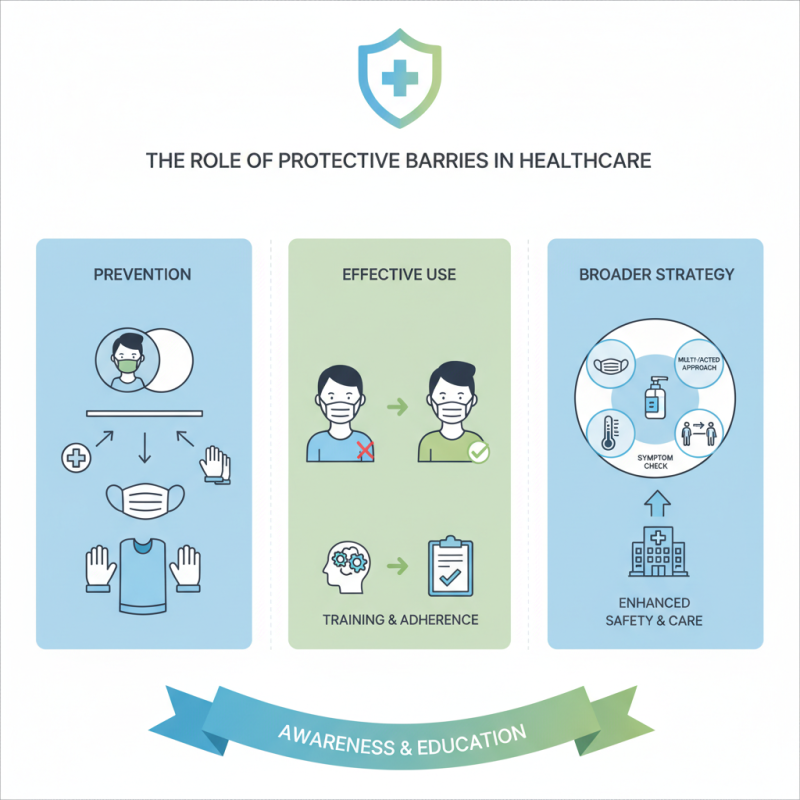
Protective barriers in healthcare play a crucial role in enhancing patient safety. These barriers include physical, chemical, and procedural measures. Physical barriers are often the first line of defense. They include gloves, masks, and gowns used by healthcare workers. These items prevent direct contact with pathogens and reduce transmission risks.
Chemical barriers involve disinfectants and antiseptics that help kill harmful microbes on surfaces and skin. Effective usage of these products is vital, yet compliance can be inconsistent. Healthcare staff may overlook proper techniques under time pressure. This highlights a need for continuous training and reminders about their importance.
Procedural barriers are guidelines that dictate how care should be delivered. These include hand hygiene protocols and isolation procedures. Despite their significance, adherence can wane in busy settings. Sometimes, staff might skip steps in favor of speed. This reality calls for ongoing evaluations of practices and a culture that reinforces the importance of following established protocols. The balance between efficiency and safety is not easily achieved.
This chart illustrates the percentage effectiveness of different types of protective barriers in reducing healthcare-associated infections (HAIs). The effectiveness is measured based on various studies and statistical analysis.
Protective barriers play a crucial role in patient safety within healthcare settings. They are essential for preventing infections and reducing the risk of cross-contamination. According to a report from the World Health Organization, healthcare-associated infections affect millions worldwide. These infections can increase hospital stays and healthcare costs significantly.
Effective barriers include personal protective equipment (PPE), hand hygiene practices, and environmental controls. Research indicates that proper hand hygiene can reduce infection rates by up to 40%. However, compliance with hand hygiene guidelines remains inconsistent among healthcare workers. Hospitals need continuous training to improve adherence, ensuring that barriers are utilized effectively.
**Tip:** Regularly reinforce training on the importance of PPE and hygiene. Simple reminders can help maintain focus on patient safety.
Despite these measures, there are challenges. Some staff may not fully understand the importance of these barriers. Additionally, barriers can be misused or deemed inconvenient, leading to lapses. Addressing these issues requires open communication and a culture of safety among healthcare teams.
**Tip:** Create a feedback loop where staff can voice concerns about protective measures. This encourages collective responsibility in maintaining safety standards.
| Barrier Type | Purpose | Materials Used | Effectiveness Rating (1-5) |
|---|---|---|---|
| Personal Protective Equipment (PPE) | Protects healthcare workers from infectious agents | Gloves, masks, gowns, face shields | 5 |
| Isolation Rooms | Minimizes the spread of infections | Specialized ventilation systems | 5 |
| Hand Hygiene Practices | Reduces transmission of pathogens | Soap, alcohol-based sanitizers | 4 |
| Barriers for Medical Equipment | Protects against cross-contamination | Covers, drapes, wraps | 4 |
| Vaccination Programs | Prevents the spread of infectious diseases | Vaccines | 5 |
Protective barriers play a crucial role in healthcare settings. These barriers help reduce the risk of infection, ensuring patient and staff safety. Common types include personal protective equipment (PPE), isolation rooms, and physical barriers. PPE, such as gloves, masks, and gowns, is essential for staff working with infected patients. A study by the Centers for Disease Control and Prevention (CDC) indicates that proper PPE use can lower infection rates by up to 40%.
Isolation rooms are designed to contain airborne pathogens. These rooms use advanced ventilation systems. They prevent the spread of diseases like tuberculosis and COVID-19. The World Health Organization (WHO) recommends strict protocols for these spaces. Ultimately, compliance with these protocols is often inconsistent, raising questions about their effectiveness.
Physical barriers, like transparent screens, help maintain distance in waiting areas. While these barriers have proven effective, their design and implementation can vary. Research shows that environments lacking these barriers see a higher rate of cross-contamination. Implementing effective protective barriers remains a challenge. Healthcare facilities must continually assess and adapt their strategies. Continuous training and reevaluation are essential to ensure maximum effectiveness.
Protective barriers are crucial in healthcare settings for infection control. These barriers include gloves, masks, gowns, and shields. By creating a physical barrier, they help prevent the spread of pathogens. In busy hospitals, healthcare workers engage with numerous patients daily. Each interaction poses a risk of infection. Proper use of protective equipment can significantly reduce these risks.
Infection control practices often require strict adherence to guidelines. However, lapses can occur. For instance, a healthcare worker may forget to change gloves between patients. Such oversights highlight the importance of ongoing training. Staff must understand the right circumstances for barrier use. Regular assessments can identify areas for improvement. Ensuring proper equipment availability is also vital. Shortages may lead healthcare workers to skip necessary precautions.
Complacency is another challenge. Some may become too comfortable with their routines. This can reduce vigilance regarding infection control. Continuous education plays a role in maintaining standards. Simulating real-life scenarios can enhance preparedness. Ultimately, understanding the effectiveness of protective barriers is essential. It empowers healthcare professionals to safeguard both themselves and their patients.
Protective barriers play a vital role in healthcare settings. They help prevent infections and promote patient safety. Implementing effective barriers requires careful planning and constant evaluation. Focus on physical barriers like walls, curtains, and personal protective equipment (PPE). Each element should be assessed regularly to ensure optimal functionality.
One important tip involves creating awareness among staff. Training sessions on the correct use of protective barriers can help reduce errors. Encourage teamwork to ensure all members understand their roles. This can be as simple as having a daily briefing on current protocols and any updates.
Another key component is to involve patients in safety measures. Use signage and visual cues to reinforce the importance of barriers. Patients should feel empowered to ask staff about safety practices. It creates a culture of safety within the healthcare environment. Regular feedback loops can uncover areas needing improvement, enhancing overall effectiveness.
: Protective barriers include physical, chemical, and procedural measures. Physical barriers are gloves, masks, and gowns.
Chemical barriers, such as disinfectants, kill harmful microbes. They must be used correctly to be effective.
Proper hand hygiene can reduce infection rates by up to 40%. Yet, compliance is often inconsistent among staff.
Staff may overlook barriers under time pressure. Some may not fully understand their importance, leading to lapses.
Continuous training and reminders about protective measures are essential. Regular feedback can highlight areas for improvement.
Patients should be informed about barriers. Signage and visual cues can empower them to ask staff about safety practices.
Teamwork ensures all members understand their roles. Daily briefings can enhance communication on current protocols.
Open communication encourages staff to voice concerns. This fosters a culture of safety and shared responsibility.
Regular assessments are vital to ensure optimal functionality. This ensures barriers remain effective in preventing infections.
Staff might skip important steps to save time. Balancing efficiency with safety requires constant reflection and training.
Protective barriers play a crucial role in healthcare, serving as essential components for maintaining patient safety and preventing the spread of infections. Understanding what is the role of protective barriers in healthcare involves recognizing their importance in minimizing exposure to pathogens and contaminants, thereby safeguarding both patients and healthcare providers. Various types of protective barriers, including physical barriers like masks and gloves, as well as environmental controls, are utilized across healthcare settings to enhance safety protocols.
Effective implementation of these barriers is vital for successful infection control practices. By ensuring that proper protective measures are in place, healthcare facilities can significantly reduce the risk of healthcare-associated infections and improve overall patient outcomes. As such, comprehensive training and adherence to established guidelines are critical for the successful employment of protective barriers in healthcare environments.

SwellMed Medical