In the modern healthcare landscape, the use of medical supplies is crucial. The question often arises: why single use medical supplies are preferred over others? These products are designed for one-time use, promoting higher safety standards. They minimize the risk of infections and cross-contamination. Single-use items are also more convenient for healthcare professionals. They save time on cleaning and sterilization processes.
The preference for single-use supplies is backed by their effectiveness in preventing healthcare-associated infections. Hospitals have seen significant drops in infection rates when using these items. However, it's essential to reflect on the environmental impact. Disposable products create more waste, raising sustainability concerns. Balancing safety and ecological considerations is a challenge many face.
Ultimately, the decision comes down to health and safety needs. While single-use supplies offer many benefits, their implications warrant careful thought. The healthcare industry must continue to explore innovative solutions that ensure both patient safety and environmental responsibility.
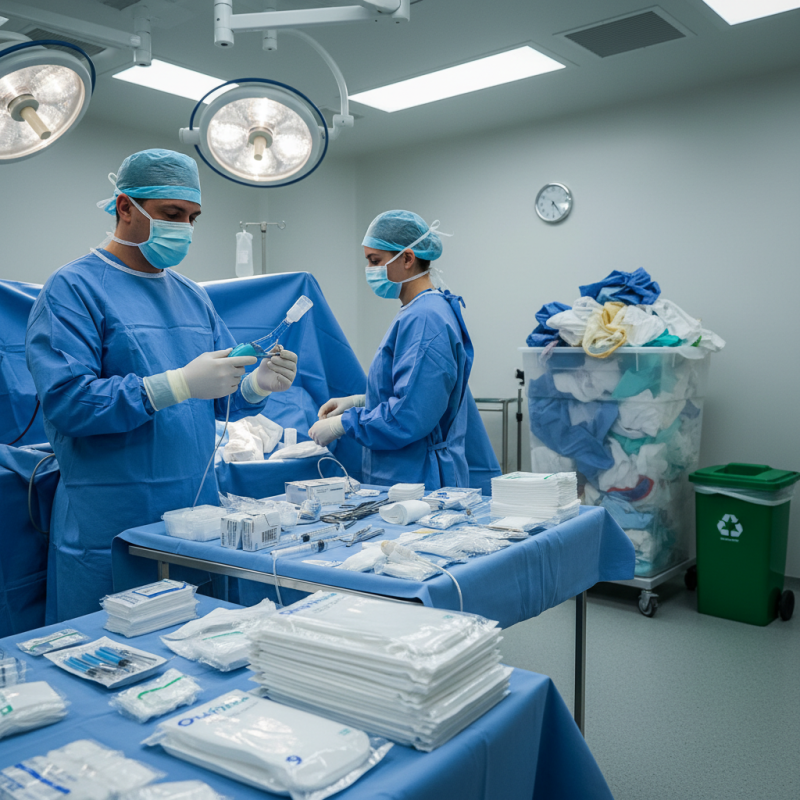
Advantages of Single Use Medical Supplies Over Reusable Options
The growing preference for single-use medical supplies stems from their numerous advantages over reusable options. First, they significantly reduce the risk of cross-contamination. A study published by the Journal of Hospital Infection indicates that single-use items can decrease infection rates by up to 50%. This reduction is crucial in environments where patient safety is paramount.
Moreover, single-use medical supplies offer consistent quality. Each item is manufactured to rigorous standards, ensuring that healthcare providers use equipment free from wear and tear. A report by the World Health Organization notes that inconsistent sterilization processes for reusable items can lead to variable safety. For example, surgical instruments that are reused may develop small defects over time, raising the risk of malfunction during critical procedures.
Cost-effectiveness also plays a vital role. While single-use supplies have a higher initial purchase price, they can ultimately lead to savings. They eliminate the costs associated with cleaning, sterilization, and maintenance of reusable items. Hospitals reported up to a 25% reduction in operational costs by shifting towards single-use systems. This move not only reflects a practical approach but also addresses the evolving demands of healthcare environments. Although the environmental impact of increased waste is a concern, many facilities are exploring sustainable alternatives to balance safety and ecological responsibility.
Impact on Infection Control and Patient Safety
Single-use medical supplies play a crucial role in infection control and patient safety. These items, designed for one-time use, prevent cross-contamination between patients. When a tool or device is reused, there’s a risk of residual pathogens. This is particularly concerning in sterile environments, like operating rooms. A single-use approach helps eliminate this risk.
Often overlooked, the environmental impact of single-use supplies raises questions. While many argue about waste, the reality is clear: reusable items can harbor bacteria. Studies show that even rigorous sterilization processes may fail to eliminate all pathogens. Therefore, opting for single-use products can significantly boost patient confidence and safety. Healthcare professionals must balance efficacy against environmental concerns.
Infection rates can dramatically decrease with single-use supplies. Hospitals have noted lower incidences of healthcare-associated infections since adopting this model. However, the cost implications of such a shift cannot be dismissed. Financial constraints might limit access to necessary supplies in some facilities. This is a critical issue for healthcare systems striving for improvement while managing budgets.
Cost Considerations in Single Use vs. Reusable Supplies
When evaluating the cost considerations between single-use and reusable medical supplies, it's essential to address several factors. Single-use supplies are often perceived as more affordable in practice. This is due to their ability to minimize cleaning and maintenance costs. There’s no need for sterilization processes, which can be time-consuming and expensive. In high-demand environments like hospitals, every minute counts. Reducing handling time can lead to better patient care.
On the flip side, reusable supplies can have lower upfront costs. However, they require consistent maintenance and regular cleaning cycles. These factors can drive up long-term expenses. Medical facilities must consider the lifecycle cost of both options. A depth of analysis reveals that while single-use items seem costly at first, they can ultimately save resources. Each institution must weigh these factors carefully while reflecting on their unique needs.
The ongoing debate about financial implications doesn’t have a one-size-fits-all answer. For some medical facilities, the convenience of single-use items justifies their cost. Others may find that reusables align better with their budget constraints. Balancing economic factors with safety and health standards remains a complex challenge. To improve outcomes, robust discussions about these differences need continuous exploration and evaluation.
Cost Comparison of Single Use vs. Reusable Medical Supplies
This chart illustrates the average cost per use of single-use medical supplies compared to reusable ones. Single-use items have a higher average cost, which reflects their convenience and reduced risk of contamination, making them preferred in many healthcare settings.
Environmental Concerns Related to Single Use Medical Supplies
Single-use medical supplies are often regarded as safer options in healthcare. However, their environmental impact raises significant concerns. These supplies contribute to a growing amount of medical waste. The disposal of plastic materials used in hospitals harms ecosystems. Discarded items often end up in landfills, where they persist for years. This accumulation of waste presents a dilemma for healthcare facilities.
It is important to balance safety and sustainability. Here are some tips to consider:
- 1. Choose reusable alternatives when possible. They can reduce waste significantly.
- 2. Properly segregate medical waste. This ensures the right disposal methods are applied.
- 3. Support innovations in biodegradable materials. This can lead to safer disposal options in the future.
While single-use items guarantee sterility, they also present a challenge. Hospitals need a clear plan for waste management. Educating staff on environmental concerns can promote responsible usage. Re-evaluating procedures is crucial in minimizing ecological impact. The healthcare industry must reflect on how to uphold safety while protecting the planet.
Future Trends in Single Use Medical Supply Development
The trend toward single-use medical supplies is reshaping healthcare. Healthcare facilities increasingly prioritize infection control and patient safety. This leads to a surge in the use of disposable products. Single-use items significantly reduce the risk of cross-contamination. They simplify cleaning protocols and enhance operational efficiency.
Innovation plays a crucial role in the future of single-use supplies. Biodegradable materials are under exploration. These materials may address environmental concerns while maintaining safety standards. However, challenges remain. The cost of production can be high, impacting accessibility. Balancing sustainability and cost-effectiveness will be essential in ongoing developments.
Healthcare professionals express mixed feelings about single-use supplies. While they greatly improve hygiene, there are concerns over waste. Some argue that excessive disposal could harm the environment. Reflecting on these issues is vital. Striving for a greener approach without compromising safety will be a significant focus in the years to come.
FAQS
: They contribute to medical waste, harm ecosystems, and persist in landfills for years.
By choosing reusable alternatives, properly segregating waste, and supporting innovations in biodegradable materials.
Yes, they ensure sterility but also create waste management challenges.
They reduce cross-contamination risk, simplify cleaning, and enhance operational efficiency.
It may provide safer disposal options and address environmental concerns.
High production costs can limit accessibility and widespread use.
They appreciate hygiene benefits but are concerned about excessive waste.
Balancing environmental impact with safety measures is essential.
Educating staff promotes responsible usage and awareness of environmental concerns.
They need clear plans and procedures to minimize ecological impacts while ensuring safety.
Conclusion
Single use medical supplies are preferred due to their significant advantages over reusable options, particularly in enhancing infection control and patient safety. These supplies minimize the risk of contamination, ensuring that patients receive care with sterile equipment, which is crucial in today's healthcare settings. Furthermore, cost considerations often favor single use items, as they reduce the need for extensive cleaning and sterilization processes, although initial purchasing costs may vary.
Despite environmental concerns associated with single use items, advancements in material technology are paving the way for more sustainable practices in medical supply development. As healthcare continues to evolve, understanding why single use medical supplies are preferred will be vital for addressing the balance between patient safety and environmental responsibility, shaping future trends in the industry.

 SwellMed Medical