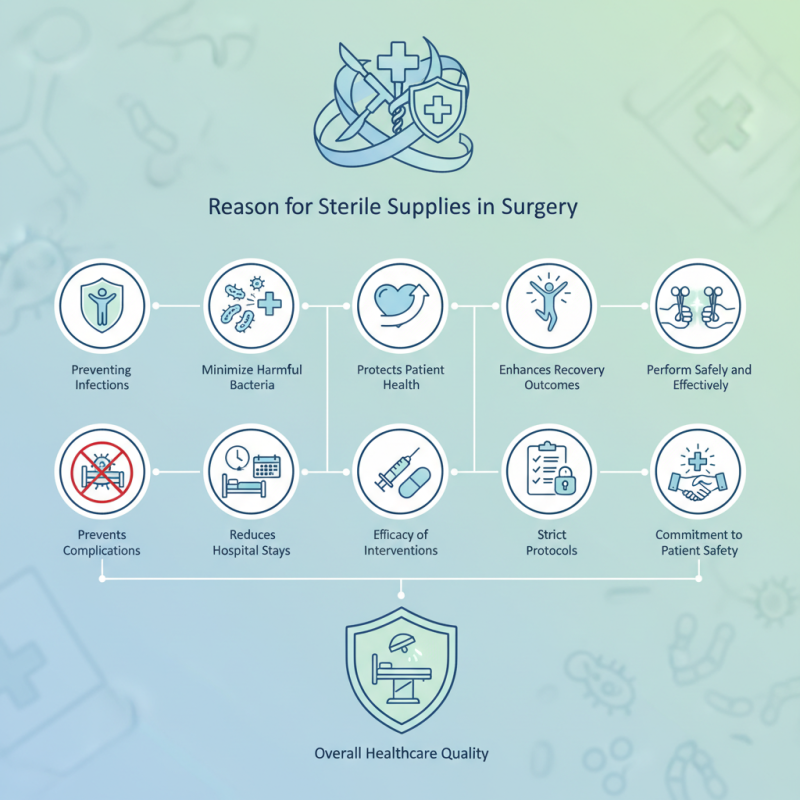
In the world of surgery, the role of sterile supplies cannot be underestimated. Understanding why sterile supplies are important in surgery is crucial for both medical professionals and patients. During surgical procedures, maintaining a sterile environment is vital for preventing infections. Sterile instruments minimize the introduction of harmful bacteria into the body. This not only protects patient health but enhances recovery outcomes.
Surgeons and staff rely on sterile materials to perform safely and effectively. Using non-sterile supplies can lead to complications, increasing the risk of postoperative infections. Infections can prolong hospital stays and result in additional treatments. The efficacy of surgical interventions heavily depends on the integrity of the supplies used.
It’s essential to recognize the complexities involved in maintaining sterility. Procedures must follow strict protocols, and even minor lapses can have serious consequences. By prioritizing sterile supplies, healthcare providers demonstrate commitment to patient safety. This reflects both professionalism and an understanding of the potential challenges in surgical practices. Ultimately, the importance of sterile supplies extends beyond the operating room, influencing overall healthcare quality.
In surgical environments, sterile supplies are vital for patient safety. Infections can arise from contaminated instruments or unclean surfaces. Using sterile supplies minimizes this risk significantly. Each surgical procedure demands high standards of cleanliness. This is not just a recommendation; it is a necessity.
Healthcare professionals are trained to understand the importance of sterility. Yet, lapses can occur. Sometimes, the pressure of the operating room can lead to oversights. It’s essential for teams to remain vigilant. Every member must be aware of the protocols. The trust placed in medical staff relies on consistent sterility.
Additionally, sterile supplies play a crucial role in patient recovery. Post-surgical infections can lead to complications and longer hospital stays. This reality emphasizes why adhering to protocols is fundamental. Maintaining a clean environment is not solely about products; it’s about mindset. It ensures that the surgical team can focus on what matters most—patient care.
Infection control is crucial in surgical procedures. Sterile supplies play a vital role in preventing surgical site infections. Using unsterilized instruments can introduce harmful bacteria, leading to severe complications. The microbial environment in operating rooms is carefully monitored. Every detail matters, from the sterilization of tools to the attire of the surgical team.
Adhering to strict protocols is essential. However, even with all precautions, lapses can occur. Sometimes instruments may not be sterilized effectively. Human error can lead to contamination, exposing patients to risks. Continuous education and training for surgical staff are necessary to address these challenges. They ensure that best practices in infection control are consistently applied.
Sterile supplies must be readily available and correctly used. The surgical team needs to be vigilant about maintaining cleanliness. This creates a safer environment for patients. Every aspect of surgery, from preparation to recovery, demands attention to infection control. In surgical procedures, maintaining a sterile environment is not just a guideline but a life-saving commitment.
This chart illustrates the key reasons why sterile supplies play a critical role in infection control during surgical procedures.
In surgery, sterile supplies play a critical role in preventing infections. Key components include surgical instruments, drapes, and gowns. A report by the World Health Organization reveals that surgical site infections affect 3-15% of patients. This alarming statistic underscores the importance of maintaining sterile environments.
Surgical instruments must undergo rigorous sterilization processes. Autoclaving, a method using high-pressure steam, is standard. It effectively eliminates harmful bacteria. A study highlighted in the Journal of Clinical Microbiology indicates that improperly sterilized instruments are a common source of infection. Protective gear, like surgical gowns and gloves, isolate doctors and patients from contaminants. These supplies must meet strict standards to ensure efficacy.
Drapes provide essential coverage during operations. They not only protect the surgical site but also prevent exposure to airborne pathogens. However, research shows that breaches in sterile technique often occur, leading to increased risk. It is vital for healthcare personnel to continuously assess their practices and improve adherence to guidelines. The integrity of sterile supplies directly impacts patient outcomes and must be prioritized in every surgical setting.
The use of non-sterile supplies in surgery can dramatically affect patient outcomes. Infections are a major concern in surgical procedures. A study by the World Health Organization states that up to 30% of surgical site infections are linked to non-sterile conditions. These infections can lead to longer hospital stays and increased healthcare costs.
Patients with infections can experience severe complications. According to data from the Centers for Disease Control and Prevention, about 1 in 20 patients develop an infection after surgery. This can result in added surgeries, antibiotic treatments, and sometimes even death. Non-sterile supplies can introduce harmful bacteria into the surgical area, increasing the risks significantly.
Unfortunately, awareness of the risks associated with non-sterile supplies is lacking in some healthcare settings. Surgical teams sometimes overlook basic sterilization protocols. This oversight can create a leniency that might seem acceptable but is actually dangerous. Reflecting on these practices is critical to fostering better patient safety and improving care quality. The focus must shift back to maintaining rigorous sterilization standards to safeguard patients during surgery.
Maintaining sterility in surgical settings is crucial for patient safety. Simple measures can make a big difference. Ensure that all staff are trained in aseptic techniques. This includes proper handwashing, wearing sterile gloves, and using masks. Yes, even in a controlled environment, lapses can happen. Constant vigilance is vital.
Before any procedure, check the integrity of all sterile supplies. Packaging should be intact and labels clear. If there's any doubt, it's better to discard than to risk infection. Regular audits of the surgical environment help mitigate risks. They encourage accountability among teams. However, even seasoned professionals can overlook minor details in high-pressure situations.
Communication is another key component in maintaining sterility. Staff should feel empowered to voice concerns about potential breaches. Creating a culture where everyone prioritizes sterility is essential. Mistakes can happen, but addressing them promptly can improve outcomes. Reflecting on past incidents can enhance future practices. Sterility isn't static; it requires continuous effort and attention.
| Reason | Description | Impact on Surgery |
|---|---|---|
| Infection Control | Sterile supplies help prevent postoperative infections. | Reduces patient morbidity and improves recovery time. |
| Patient Safety | Ensures a safe surgical environment by minimizing contamination. | Increases trust in surgical procedures. |
| Standard Compliance | Meets healthcare regulations and accreditation standards. | Avoids legal issues and enhances hospital reputation. |
| Quality Control | Maintains the overall quality of surgical outcomes. | Promotes better surgical results and patient experiences. |
| Reduced Operating Time | Streamlined surgical processes due to reliable sterile supplies. | Improves efficiency in the operating room. |
| Enhanced Surgical Techniques | Allows the use of advanced surgical techniques. | Promotes innovation in surgical practices. |
| Consistent Results | Ensures consistency in surgical outcomes with every procedure. | Establishes baseline for quality assurance. |
| Resource Management | Efficient use of sterile supplies maximizes available resources. | Improves cost-effectiveness in surgical departments. |
| Reputation Building | Establishes a reputation for excellence in surgical care. | Attracts more patients and healthcare partnerships. |
| Staff Confidence | Boosts confidence of surgical staff in performing procedures. | Enhances teamwork and positive work environment. |
: Sterile supplies are vital for patient safety and minimize infection risks during procedures.
Infections may arise from contaminated instruments, leading to complications and extended hospital stays.
Yes, they are trained, but lapses can occur under pressure in the operating room.
Key components include surgical instruments, drapes, and gowns essential for preventing infections.
They undergo autoclaving, a process using high-pressure steam to eliminate harmful bacteria.
Drapes protect the surgical site and prevent exposure to airborne pathogens.
Breaches can occur, increasing the risk of infections among patients.
It ensures healthcare personnel improve adherence to guidelines and maintain patient safety.
The integrity directly influences patient recovery and overall surgical success.
A commitment to cleanliness and vigilance ensures effective patient care during surgeries.
Sterile supplies are vital in surgery for several reasons, as they play a crucial role in infection control and overall patient safety. Understanding infection control in surgical procedures highlights the necessity of maintaining a sterile environment to prevent postoperative complications. The key components of sterile supplies include gloves, drapes, and instruments, all of which must be free from contaminants to ensure successful surgical outcomes.
Non-sterile supplies can significantly impact patient outcomes, leading to increased rates of infections and longer recovery times. Implementing best practices for maintaining sterility in surgical settings, such as proper sterilization techniques and regular training for surgical staff, is essential. In summary, understanding why sterile supplies are important in surgery can safeguard patient health and enhance the success rate of surgical procedures.

SwellMed Medical