What Materials are Used in Medical Protective Products?

Time:2026-05-11 Author:Isabella
0%

In the realm of healthcare, the importance of safety cannot be overstated. Medical protective products play a vital role in safeguarding both healthcare workers and patients. These products, designed to prevent the transmission of infections, rely on various materials. Understanding *what materials are used in medical protective products* is essential for ensuring their effectiveness and reliability.

Common materials include non-woven fabrics, latex, and PVC. Each material is carefully chosen for its protective properties and comfort. For example, non-woven fabrics offer breathability and fluid resistance. On the other hand, latex gloves provide excellent dexterity but may cause allergic reactions in some users. This highlights the need for alternatives, like nitrile gloves, which are also widely utilized. However, not all materials are created equal.

A critical examination reveals that the manufacturing process and material quality can vary significantly. This inconsistency can lead to subpar products. Therefore, healthcare providers must stay informed about the latest materials and innovations. With ongoing research and development, the goal is to enhance the safety and efficiency of medical protective products. The challenge lies in aligning performance with the diverse needs of users while ensuring accessibility and affordability.
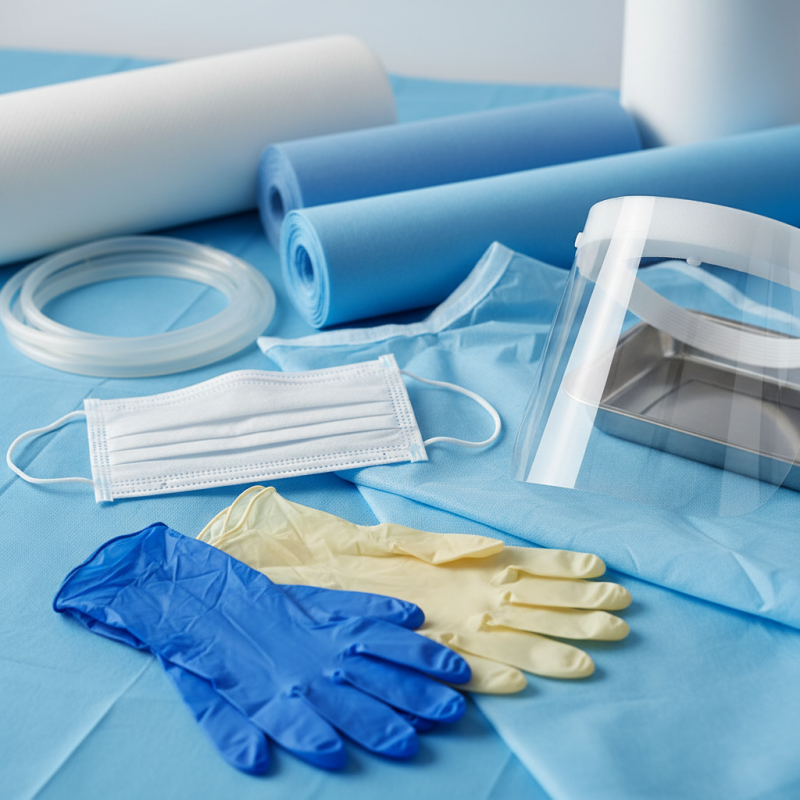
What Materials are Used in Medical Protective Products?

Types of Materials Commonly Used in Medical Protective Products

Medical protective products are essential for ensuring safety in healthcare settings. The materials used to manufacture these protective items vary widely. Commonly, non-woven fabrics are utilized for their lightweight and breathable properties. These materials offer comfort while maintaining a barrier against pathogens.

Synthetic polymers, such as polyethylene and polypropylene, are also frequently incorporated. They provide significant resistance to fluids and contaminants. These materials are crucial for items like gowns and drapes. Some products even use laminated materials to enhance waterproof capabilities. Each type of material has its unique advantages and limitations.

While many materials are effective, they are not without flaws. Some may cause allergic reactions in sensitive individuals. Additionally, the durability of materials might vary under different environmental conditions. This inconsistency can impact safety and effectiveness. It’s essential to continually evaluate and improve these materials to enhance their protective qualities in medical environments.

What Materials are Used in Medical Protective Products?

Characteristics of Non-Woven Fabrics in Protective Gear

Non-woven fabrics play a crucial role in medical protective products. These materials are engineered to offer excellent filtration and barrier protection. Medical professionals often rely on them for gowns, masks, and drapes. According to a report by Transparency Market Research, the global non-woven fabric market is expected to reach USD 28.9 billion by 2026, reflecting their growing importance in healthcare.

The characteristics of non-woven fabrics make them ideal for protective gear. They provide breathability, comfort, and lightweight properties. Studies show that non-woven materials can filter particles as small as 0.3 microns. This capability is essential for controlling infections in clinical settings. However, not all non-woven fabrics achieve the same level of performance. The quality can vary significantly among manufacturers, which can impact overall safety.

While non-woven fabrics are valuable, there are areas that need attention. Environmental sustainability is a critical issue, as many of these products are single-use and contribute to waste. The healthcare sector must explore biodegradable options. This challenge remains unsolved, and more research is necessary to balance protection with eco-friendliness. Addressing this issue could enhance the credibility of non-woven fabrics in medical applications.

Role of Polyethylene and Polypropylene in Medical Supplies

Polyethylene and polypropylene are key materials in medical protective products. Both offer unique properties that make them suitable for various applications.

Polyethylene is known for its excellent moisture resistance. It creates a reliable barrier against water and pathogens. This makes it ideal for disposable gowns and covers. The lightweight nature of polyethylene ensures comfort during long wear.

Polypropylene, on the other hand, is used extensively in medical masks and filters. It provides excellent breathability while still blocking harmful particles. This balance makes it essential in infection control. However, challenges exist. The production of these materials can impact the environment. Some may argue that more sustainable options should be explored. Finding the right balance between functionality and sustainability is crucial.

Both polyethylene and polypropylene play vital roles in healthcare settings. Yet, as we rely on these materials, it’s important to consider their environmental footprint. There’s room for improvement in how we approach material choices. Exploring alternatives could lead to innovations that benefit both health and the planet.

Importance of Antimicrobial Coatings in Medical Protective Equipment

Antimicrobial coatings are crucial in medical protective equipment. These coatings prevent the growth of harmful microorganisms. They play a significant role in safeguarding both patients and healthcare workers. Hospitals often face high infection rates. An effective coating can reduce this risk significantly.

Many materials can be used for these coatings. Silver, zinc, and copper are common choices. These metals have natural antimicrobial properties. They disrupt the cellular processes of bacteria and viruses. This makes surfaces safer in clinical settings. However, the effectiveness can vary based on environmental factors. Not all coatings work equally well on all surfaces.

The challenge lies in consistency. Some coatings might wear off with time or use. Understanding this, manufacturers work on improving durability. There are ongoing studies to enhance the effectiveness of these coatings. It is essential for medical professionals to stay informed about these advancements. Implementing the latest technologies can lead to better patient outcomes.

Evaluating Biodegradable Materials in Healthcare Applications

In recent years, the healthcare industry has increasingly explored biodegradable materials for protective products. This shift addresses environmental concerns linked to traditional medical waste. A report from the World Health Organization indicates that billions of medical items are discarded annually, contributing significantly to pollution.

Biodegradable materials, such as polylactic acid and chitosan, offer promising alternatives. Research shows these materials can decompose in natural environments, reducing landfill contributions. For instance, a study highlights that polylactic acid breaks down within 90-120 days in industrial composting conditions. This ability to biodegrade can potentially transform medical waste management.

However, challenges remain. Some biodegradable materials lack the same barrier properties as conventional plastics. Additionally, their production may require more energy and resources. The need for further research is evident. Experts suggest developing biodegradable materials that meet rigorous healthcare standards while minimizing environmental impact. The path forward will rely on collaboration between material scientists and healthcare professionals.

What Materials are Used in Medical Protective Products? - Evaluating Biodegradable Materials in Healthcare Applications

Material Type Biodegradability Applications Environmental Impact
PLA (Polylactic Acid) Yes Surgical masks, gowns Low, compostable in industrial settings
PHA (Polyhydroxyalkanoates) Yes Wound dressings, sutures Moderate, biodegradable in natural environments
Modified Starch Yes Packaging, disposable items Low, sourced from renewable materials
Cellulose Yes Cotton swabs, bandages Low, allows for ecological recycling
Tencel (Lyocell) Yes Healthcare uniforms, wipes Low, produced with sustainable practices

FAQS

: What materials are commonly used in medical protective products?

: Non-woven fabrics are popular for being lightweight and breathable. They provide comfort and a barrier against pathogens.

How do synthetic polymers contribute to medical protective items?

Synthetic polymers like polyethylene and polypropylene resist fluids and contaminants. They are crucial for gowns and drapes.

What are the advantages of laminated materials?

Laminated materials enhance waterproof capabilities. They improve protection in healthcare environments.

Can materials in medical protective products cause allergic reactions?

Yes, some materials may trigger reactions in sensitive individuals. It's important to consider this when choosing products.

Why are antimicrobial coatings important in medical equipment?

Antimicrobial coatings prevent harmful microorganisms' growth. They help protect patients and healthcare workers from infections.

What metals are commonly used in antimicrobial coatings?

Silver, zinc, and copper are often used. These metals disrupt bacteria and viruses' cellular processes.

What challenges exist with antimicrobial coatings?

Coatings may wear off over time. Their effectiveness can also vary based on environmental conditions.

Why are biodegradable materials being explored in healthcare?

They address environmental concerns from medical waste. These materials can decompose and reduce landfill contributions.

Do biodegradable materials perform as well as conventional plastics?

Some biodegradable materials lack the same barrier properties. More research is needed to improve their effectiveness.

How can collaboration impact the future of biodegradable materials in healthcare?

Working together can lead to developing materials that meet healthcare standards while minimizing environmental impact.

Conclusion

In exploring what materials are used in medical protective products, several key types and characteristics emerge. Commonly, non-woven fabrics are favored for their lightweight, breathable, and effective barrier properties, making them ideal for a variety of protective gears. Additionally, polyethylene and polypropylene play critical roles in the manufacturing of medical supplies, providing durability and resistance to fluids, which is essential in healthcare settings.

The significance of antimicrobial coatings in medical protective equipment cannot be overlooked, as they enhance safety by reducing the risk of infection. Furthermore, evaluating biodegradable materials highlights a growing trend towards sustainability in healthcare applications, as the industry seeks more eco-friendly options without compromising safety and effectiveness. Overall, understanding these materials is crucial in ensuring the safety and efficacy of medical protective products.

Isabella

Isabella

Isabella is a dedicated marketing professional with a sharp focus on driving brand growth and engagement through strategic content creation. With an extensive background in digital marketing, she combines her passion for storytelling with her keen understanding of industry trends to deliver......