10 Ways to Improve Operating Room Safety for Better Outcomes?

Time:2026-06-10 Author:Henry
0%

Operating room safety is critical for successful surgical outcomes. Dr. Sarah Thompson, a leading expert in surgical safety, once stated, “Improving safety protocols can significantly reduce the risk of errors in the operating room.” Her insights highlight the pressing need for innovation in how operating room safety can be improved.

Surgical teams face numerous challenges daily. From communication gaps to equipment failures, these issues can compromise patient safety. Implementing structured checklists, fostering open dialogue among staff, and ensuring thorough training are vital steps. Additionally, regular safety audits can pinpoint areas needing attention. Yet, many facilities overlook these measures, leading to repeated mistakes and adverse events.

It’s clear that enhancing safety requires continuous effort. Every team member must be committed to fostering a culture of safety. By embracing a proactive approach, the operating room can transform into a sanctuary of healing. The journey to improvement is ongoing, and each step matters.
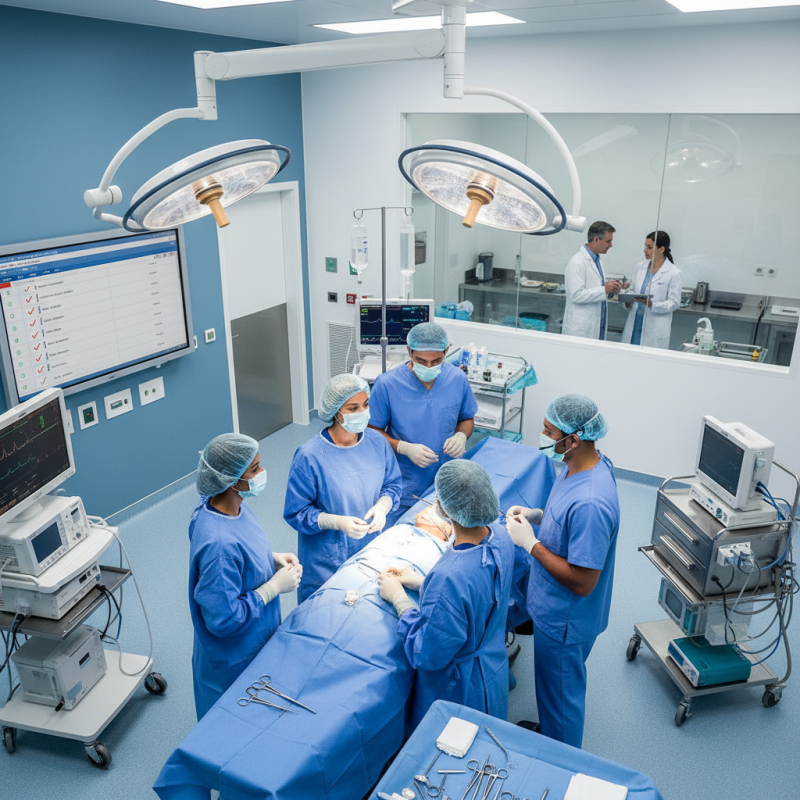
10 Ways to Improve Operating Room Safety for Better Outcomes?

Strategies for Enhancing Communication Among Surgical Teams to Reduce Errors

Effective communication among surgical teams is crucial for enhancing operating room safety. According to a study published in the "Journal of Surgical Research," poor communication contributes to nearly 70% of surgical errors. This staggering statistic highlights the need for structured communication strategies within the surgical environment.

Implementing strategies like pre-operative briefings can dramatically improve team alignment. During these briefings, all members discuss patient details, potential risks, and surgical procedures. A report from the World Health Organization found that effective team briefings can reduce complications by up to 30%. Furthermore, using clear, standardized language prevents miscommunication and ensures everyone is on the same page.

**Tip:** Encourage an open environment where all team members feel comfortable voicing concerns. This reduces the fear of repercussions and promotes candid discussions about each stage of the procedure.

Regular debriefings post-surgery also foster learning and improvement. These sessions help identify any communication breakdowns that may have occurred. A failure to discuss mistakes can hinder a team’s growth. Fostering a culture of reflection makes it easier to pinpoint areas needing enhancement.

**Tip:** Keep debriefings focused and concise. Limit each discussion to key events that significantly impacted the surgery. This structured approach simplifies learning from each experience while minimizing overwhelming details.

Implementing Surgical Checklists to Decrease Complications and Infections

Implementing surgical checklists can significantly enhance operating room safety. These checklists serve as pivotal tools to minimize complications and infections during surgery. They encourage thorough preparation, ensuring that every team member is aware of their responsibilities. A well-structured checklist confirms that essential steps are not overlooked. Surgical teams report feeling more confident and focused when a checklist is in place.

Tips for effective checklist usage include regular updates. Checklists should reflect the latest best practices and guidelines. Involving all surgical members in creating and refining the checklist fosters ownership. This can lead to better adherence and adaptability in the operating room. Regular training sessions can reinforce the checklist's importance and ensure everyone understands each step.

Another crucial aspect is the debriefing process after each procedure. Taking time to discuss what went well and what could improve establishes a culture of safety. This approach also allows the team to identify any missed steps or communication breakdowns. Reflection and dialogue can guide future surgical practices, continually improving patient outcomes.

10 Ways to Improve Operating Room Safety for Better Outcomes

Utilizing Advanced Technology for Real-Time Monitoring in the Operating Room

In the quest for enhanced surgical outcomes, real-time monitoring in the operating room is crucial. Advanced technology allows medical teams to track vital signs and equipment status, significantly reducing errors. Research indicates that proper monitoring can decrease surgical complications by 30%. This highlights the importance of integrating these systems into every surgical setting.

Effective tips for improving safety include implementing systems to monitor anesthesia levels continuously and ensuring that all equipment is functioning optimally. Regular equipment checks should take place before every surgery. One report suggests that nearly 50% of surgical mishaps stem from equipment failure. This alarming statistic emphasizes the need for vigilance and consistent maintenance.

Moreover, electronic health records (EHR) integrated with real-time updates can streamline communication among surgical teams. Studies show that effective communication can improve surgical outcomes by nearly 25%. It's crucial to foster a culture where healthcare professionals feel comfortable voicing concerns, thus prioritizing patient safety. Continuous training for staff on using these technologies holds equal weight in reducing risk.

Establishing a Culture of Safety: Training and Continuous Education for Staff

In the operating room, a culture of safety is vital. Training and continuous education for staff can significantly reduce errors. According to the Joint Commission, over 80% of serious medical errors result from miscommunication during patient handoffs. Regular training sessions can tackle this issue head-on.

Continuous education ensures that all staff are aware of the latest protocols. Keeping skills sharp can mean the difference between life and death. A study from AORN found that 60% of surgical complications are preventable through proper training. Staff must engage in simulation exercises regularly. These drills help staff recognize and react to potential crises effectively.

However, there are challenges. Not all facilities have the resources to provide ongoing training. Some staff may feel overwhelmed by the frequency of updates. This can lead to disengagement. A culture of safety is built on trust and respect. Open dialogue about the obstacles to training is essential. Emphasizing safety over convenience can foster a supportive atmosphere. Encouraging feedback from the team can bring about needed changes in the training program.

Analyzing Data on Surgical Outcomes to Identify Areas for Improvement

Analyzing data on surgical outcomes is crucial for enhancing operating room safety. By closely examining post-operative results, healthcare teams can pinpoint key areas needing improvement. Trends in complications, infection rates, and recovery times provide valuable insights.

For instance, reviewing incidents of surgical site infections can reveal systemic issues. Are protocols being followed consistently? Is there a gap in training or communication among team members? Addressing these questions can lead to actionable changes. Data should also reflect patient demographics, shedding light on disparities in outcomes.

Collecting and analyzing this data fosters a culture of accountability. Mistakes are learning opportunities. Regular reviews and discussions promote a shared commitment to safety. It’s not just about numbers. Each case represents a real patient. Continuous improvement in the operating room requires vigilance and adaptability.

10 Ways to Improve Operating Room Safety for Better Outcomes

Improvement Area Current Success Rate (%) Recommended Actions Expected Outcome Improvement (%)
Surgical Checklists 85 Implement standardized checklists 10
Infection Control 90 Enhance sterile techniques and protocols 15
Staff Training 75 Regular training and simulations 20
Equipment Maintenance 80 Implement routine checks and service 12
Patient Monitoring 88 Enhance real-time monitoring systems 18
Communication Protocols 82 Establish clear communication lines 14
Error Reporting Systems 70 Develop a non-punitive reporting system 22
Anesthesia Safety 89 Regular audits and updates to protocols 16
Patient Engagement 76 Involve patients in the safety process 19
Teamwork Enhancement 81 Foster a collaborative work environment 13

FAQS

: What is the purpose of surgical checklists?

: Surgical checklists enhance safety by minimizing complications and infections. They ensure all team members know their roles.

How can checklists improve surgical success?

They confirm essential steps are not missed. Teams feel more confident and focused when checklists are used.

Why should checklists be regularly updated?

Regular updates keep checklists aligned with the latest best practices. This helps maintain effective procedures in the operating room.

What role does debriefing play in surgical safety?

Debriefing helps teams discuss successes and areas for improvement. Reflection fosters a culture of safety.

What is the impact of training on reducing errors?

Continuous training can significantly reduce serious medical errors. Engagement in simulation exercises helps staff handle crises better.

What challenges might staff face regarding ongoing training?

Some staff may feel overwhelmed by frequent updates. This can lead to disengagement from training activities.

How does data analysis contribute to surgical improvement?

Data analysis identifies trends in outcomes and helps pinpoint areas for improvement. It fosters accountability and reflection.

Why is open dialogue important in establishing safety culture?

Open dialogue encourages trust and respect among team members. Discussing training obstacles can lead to needed improvements.

How can a culture of safety be maintained in the operating room?

Emphasizing safety over convenience and encouraging feedback supports a robust safety culture.

What does it mean to treat mistakes as learning opportunities?

Mistakes are not just errors; they provide chances to improve processes and care quality. Each case involves a real patient’s experience.

Conclusion

Improving operating room safety is crucial for enhancing surgical outcomes and minimizing complications. One effective strategy is to enhance communication among surgical teams, which can significantly reduce errors. Additionally, implementing surgical checklists has proven to be beneficial in decreasing the rates of complications and infections during procedures. Advanced technology for real-time monitoring in the operating room can also play a pivotal role in maintaining safety standards.

Moreover, establishing a culture of safety through ongoing training and continuous education for staff ensures that all team members are well-prepared to handle various situations. Finally, analyzing data on surgical outcomes allows healthcare professionals to identify specific areas for improvement. These combined approaches are essential in addressing how operating room safety can be improved, ultimately leading to better outcomes for patients.

Henry

Henry

Henry is a dedicated marketing professional with a profound expertise in the company's offerings. With years of experience in the industry, he possesses an impressive understanding of the market dynamics and consumer behaviors that drive success. Henry is committed to sharing his insights through......