How Healthcare Facilities Reduce Contamination Risks Effectively?

Time:2026-06-04 Author:Madeline
0%

In the healthcare sector, contamination risks pose significant challenges. Understanding how healthcare facilities reduce contamination risks is essential for safety. Contaminants can lead to infections, prolonging hospital stays and complicating treatments. Facilities must adopt effective strategies to mitigate these threats.

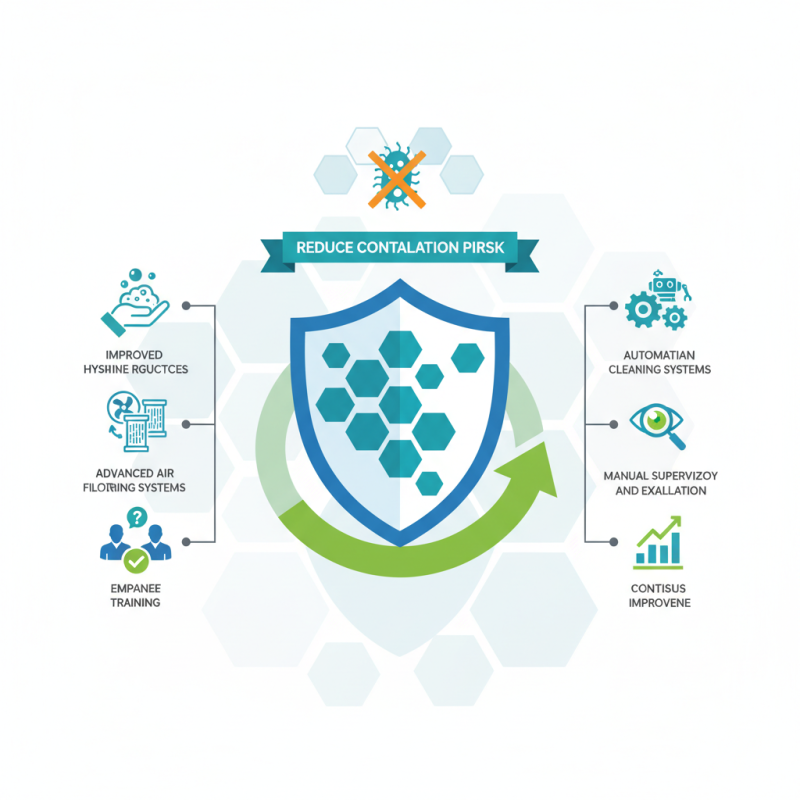
Innovative practices play a crucial role. For example, improved sanitation protocols and advanced air filtration systems are vital. Many hospitals now implement regular training for staff on hygiene practices. However, some facilities struggle to maintain consistency in these practices. This inconsistency can diminish their overall effectiveness.

Moreover, technology continues to evolve. Automated cleaning systems are becoming more commonplace. Yet, reliance on technology alone may not be sufficient. Regular human oversight and assessment are critical in ensuring these systems work as intended. Reflecting on these points highlights the importance of continuous improvement in reducing contamination risks in healthcare environments.
How Healthcare Facilities Reduce Contamination Risks Effectively?

Healthcare Facility Design for Minimizing Contamination Risks

Healthcare facility design plays a crucial role in minimizing contamination risks. Proper layout, material choice, and airflow management are essential components. For instance, strategic placement of handwashing stations encourages routine hygiene practices. Clear pathways help reduce cross-contamination, guiding staff and patients efficiently through the facility.

Materials used in construction must be easy to clean and resistant to microbial growth. Non-porous surfaces often prove beneficial. Incorporating natural light can also reduce mold and bacteria growth. Facilities should consider separate zones for clean and contaminated areas, limiting the spread of pathogens.

Reflection is vital. While many designs aim for efficiency, sometimes they overlook user experience. Staff may find themselves working around poorly designed spaces, impacting their focus on patient care. Regular reviews of design effectiveness ensure that solutions evolve with changing healthcare needs and practices.

Contamination Risks in Healthcare Facilities

Implementing Strict Hygiene Protocols for Staff and Patients

In today's healthcare environment, implementing strict hygiene protocols is crucial. These protocols help minimize contamination risks. Staff education is a key element. Regular training sessions ensure everyone understands the importance of hygiene. Hospitals often hold workshops on handwashing techniques and the use of personal protective equipment (PPE). Visual reminders in workspaces can reinforce these lessons.

Patient engagement is equally important. Clear communication about hygiene practices can make a difference. Informing patients about hand sanitizers and sterile environments empowers them in their care journey. However, it's essential to recognize potential gaps. Sometimes, staff may overlook hygiene checks in high-pressure situations, leading to lapses. Regular audits can help identify these issues.

Creating a culture of accountability ensures that everyone takes hygiene seriously. Encouragement from leadership plays a vital role. When staff see management prioritizing hygiene, they follow suit. Yet, challenges remain. There must always be room for reflection and improvement in these protocols. Adapting strategies to meet real-life challenges in healthcare settings can further enhance safety for all.

How Healthcare Facilities Reduce Contamination Risks Effectively? - Implementing Strict Hygiene Protocols for Staff and Patients

Hygiene Protocol Description Frequency Responsible Party Compliance Rate (%)
Hand Hygiene Regular hand washing with soap and water or use of hand sanitizer. Before and after patient contact All Healthcare Staff 95
Surface Disinfection Regular cleaning and disinfection of frequently touched surfaces. Every 4 hours Cleaning Staff 90
PPE Usage Proper use of personal protective equipment (gloves, masks, gowns). As needed All Healthcare Staff 96
Patient Screening Screening patients for symptoms and exposure history prior to admission. Daily Nursing Staff 92
Vaccination Ensuring all staff and patients are vaccinated against preventable diseases. Annually Healthcare Facility Management 85

Regular Environmental Cleaning and Disinfection Practices

Environmental cleaning and disinfection are crucial in healthcare facilities. The CDC reports that proper cleaning can reduce the risk of healthcare-associated infections (HAIs) by up to 30%. Regular cleaning is essential, yet often overlooked. Many facilities may not follow protocols correctly, leading to persistent contamination.

Using effective cleaning agents is vital. They must be both safe and potent against pathogens. Research shows that many pathogens can survive on surfaces for days. For example, Clostridium difficile spores can live for months without proper cleaning. Regular disinfection can significantly lower these risks. Staff training is also critical. Many healthcare workers report not feeling confident in cleaning protocols. This gap can leave areas vulnerable to contamination.

Inadequate cleaning routines can lead to serious issues. The Joint Commission found that roughly 20% of healthcare facilities do not meet sanitation standards. This disparity highlights the need for ongoing evaluation of cleaning practices. Facilities should have a thorough plan that prioritizes high-touch areas. Consistent monitoring can ensure compliance and protect patients.

Use of Advanced Technology for Infection Control

Healthcare facilities face significant challenges in infection control. Advanced technology has emerged as a pivotal ally in reducing contamination risks. These facilities increasingly rely on innovative solutions, such as automated disinfection systems, to maintain cleanliness. Robots equipped with ultraviolet light can efficiently eliminate pathogens on surfaces. They reduce reliance on manual cleaning, which can be inconsistent.

Another key technology involves real-time monitoring systems. These systems track air quality and surface contamination. They provide healthcare workers with immediate data, allowing for swift responses to potential threats. Integration of such technology can enhance overall safety, yet it requires training for staff. Continuous education is essential to ensure proper usage and adaptation.

While these advancements show promise, challenges remain. The effectiveness of some technologies can depend on proper implementation and maintenance. Not all facilities may have the resources to adopt every new tool. This creates disparities in infection control practices. Regular evaluation and adaptation of strategies are necessary to maximize benefits and minimize risks. The journey toward a safer healthcare environment is ongoing.

Training and Education Programs on Contamination Prevention

Training and education programs play a crucial role in reducing contamination risks in healthcare facilities. These programs equip staff with the necessary knowledge and skills to identify potential hazards. Through workshops and seminars, employees learn best practices for maintaining hygiene. This includes proper handwashing techniques and the use of personal protective equipment (PPE). Engaging learning experiences encourage team collaboration and reinforce accountability.

Tips for Effective Training:

  • Schedule regular refresher courses.
  • Incorporate real-life scenarios into training sessions.
  • Encourage questions and open discussions.

Another vital aspect is continuous assessment. Healthcare facilities should regularly evaluate the effectiveness of training. Surveys and feedback from staff can highlight areas needing improvement. It’s important to adapt the training based on feedback. Staying updated with the latest guidelines also enhances reliability. Facilities might still face challenges, such as underreporting of incidents. A culture of openness can mitigate these issues and foster better practices.

Tips for Assessment:

  • Create anonymous feedback channels.
  • Monitor compliance with protocols regularly.
  • Share success stories to motivate staff.

FAQS

: How can healthcare facility design minimize contamination risks?

: Proper layout, material choice, and airflow management are essential for reducing contamination risks in healthcare facilities.

What materials are best for healthcare construction?

Non-porous surfaces that are easy to clean and resistant to microbial growth are recommended for healthcare environments.

Why is staff training important for using advanced technology?

Staff training is essential to ensure the proper usage of advanced tools for infection control and to maximize their benefits.

How do automated disinfection systems help in healthcare?

Automated systems, like robots with ultraviolet light, reduce reliance on manual cleaning and efficiently eliminate pathogens.

What role does natural light play in healthcare facilities?

Incorporating natural light helps reduce mold and bacteria growth, contributing to a healthier environment.

What is the impact of poor design on staff?

Poorly designed spaces can hinder staff efficiency, affecting their focus on patient care and overall workplace satisfaction.

Why is continuous education important in healthcare settings?

Continuous education ensures that healthcare workers can effectively adapt to new technologies and changing infection control practices.

Are there disparities in infection control practices?

Yes, not all facilities can access or adopt every new tool, leading to inconsistencies in infection control efforts.

How can facilities evolve with changing healthcare needs?

Regular reviews and adaptations of design and strategies ensure that facilities meet evolving healthcare challenges effectively.

Conclusion

Healthcare facilities play a crucial role in minimizing contamination risks through various strategic measures. Primarily, effective facility design prioritizes clear layouts that reduce cross-contamination and allow for efficient cleaning. Implementing strict hygiene protocols for both staff and patients ensures adherence to best practices in hand hygiene and personal protective equipment usage. Additionally, regular environmental cleaning and disinfection practices are essential in maintaining a safe and sterile environment, further diminishing the potential for infection spread.

Moreover, the use of advanced technology for infection control, such as ultraviolet light disinfectants and automated cleaning machines, enhances the efficacy of traditional methods. Finally, extensive training and education programs on contamination prevention empower staff members with the knowledge and skills necessary to combat infection risks. By focusing on these fundamental aspects, healthcare facilities effectively reduce contamination risks, safeguarding the health of patients and staff alike.

Madeline

Madeline

Madeline is a dedicated marketing professional with a wealth of expertise in our company's core offerings. With a keen understanding of the industry, she brings a unique perspective to her role, consistently delivering high-quality content that highlights the superior aspects of our products. As......