The global demand for medical supplies is undergoing significant transformation. As highlighted by Dr. Emily Carter, a leading expert in medical supply chains, “Global shifts in health care are reshaping how we produce and distribute medical supplies.” This statement underscores the dynamic nature of the industry, highlighting changing consumer needs and technological advancements.
Healthcare systems worldwide face unprecedented pressures. The COVID-19 pandemic accelerated demand for personal protective equipment (PPE) and other urgent supplies. This shift has compelled manufacturers to adapt quickly, often leading to promising innovations. However, the rapid changes also present challenges. Companies that were once focused on traditional supply lines now struggle with logistics and sustainability.
Understanding how global demand for medical supplies is changing is crucial. It reveals new trends and highlights the importance of agility in production methods. As we navigate through these transformations, it's vital for stakeholders to reflect on their practices and consider long-term implications for supply chain resilience. Adaptation and foresight will be key in meeting the needs of tomorrow's healthcare landscape.
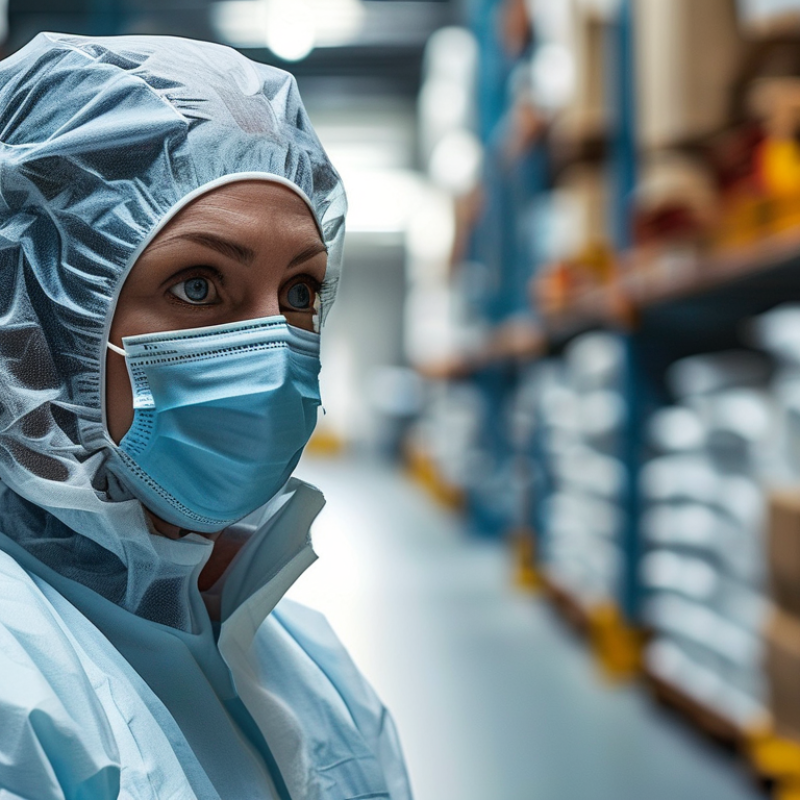
Global health crises significantly reshape the demand for medical supplies. Events like pandemics and natural disasters reveal vulnerabilities in supply chains. Suddenly, items like masks, gloves, and ventilators become critical. This surge in need forces countries to reassess their preparedness. They often find gaps in local production capabilities and stockpiling strategies.
At the same time, the demand shifts in unexpected ways. Hospitals require not just traditional supplies but also innovative technologies. Telehealth equipment became essential overnight. However, not all suppliers adjusted quickly enough, leading to shortages and delays.
These challenges highlight systemic issues in medical supply management. Many regions lack robust infrastructure to respond to crises efficiently. Addressing these hurdles requires serious reflection on current practices. It emphasizes the importance of resilience over reactive strategies in healthcare supply chains.
The emergence of new technologies in medical supply production is reshaping the industry. Innovations like 3D printing and automation are significantly improving efficiency. According to a recent report by Deloitte, 3D printing can reduce production times by up to 70%. This technology allows for the rapid production of customized medical devices. It has never been easier to meet specific patient needs.
However, challenges remain. The integration of new technologies can be costly and complex. Not all facilities may have access to the latest tech. A study by McKinsey indicates that while 78% of healthcare executives believe digital solutions are essential, less than half have implemented them effectively. Bridging this gap is crucial for future success.
Moreover, sustainability issues arise with new production methods. The environmental impact of increased plastic use in 3D printing remains a concern. Healthcare leaders must balance innovation with responsibility. As they adopt new technologies, they should consider their long-term effects on both patient care and the environment.
| Category | 2021 Demand (Units) | 2022 Demand (Units) | Predicted 2023 Demand (Units) | Emerging Technology |
|---|---|---|---|---|
| Face Masks | 1,500,000,000 | 1,800,000,000 | 2,200,000,000 | 3D Printing |
| Personal Protective Equipment (PPE) | 800,000,000 | 1,000,000,000 | 1,500,000,000 | Smart Fabrics |
| Medical Disposables | 4,000,000,000 | 4,500,000,000 | 5,000,000,000 | Automated Production |
| Surgical Instruments | 600,000,000 | 650,000,000 | 700,000,000 | Robotics |
| Diagnostic Equipment | 200,000,000 | 250,000,000 | 300,000,000 | Telehealth Technologies |
The global demand for medical supplies is undergoing significant changes. Shifts in supply chain dynamics are influencing the availability of these critical resources. With more countries recognizing the importance of local production, many are moving away from relying solely on international suppliers. This trend impacts the speed and availability of medical supplies.
One major concern is the fluctuation in shipping times and costs. Disruptions caused by geopolitical tensions or natural disasters can delay delivery. Furthermore, the growing emphasis on sustainability is reshaping manufacturing practices. Companies are looking for eco-friendly materials. However, this transition can create gaps in supply, leading to shortages.
Tips for navigating these changes include diversifying your suppliers. Relying on a single source can be risky, especially during crises. Also, invest in building relationships with local manufacturers. They may respond better during urgent situations. Lastly, keep a close eye on market trends. Being informed can help you adjust your strategies effectively. Adaptability is key in this ever-evolving landscape.
The medical supply industry is undergoing a significant transformation. Sustainable practices are becoming a priority for manufacturers. To meet the rising global demand, companies are exploring eco-friendly materials. More organizations are considering the lifecycle of products. This shift reflects a growing awareness of environmental impacts.
Recent studies show that reducing plastic waste is crucial. Many manufacturers are investing in biodegradable materials. This reduces the environmental footprint of medical supplies. However, challenges remain. The transition could increase production costs. Some companies struggle to maintain quality while adopting greener practices.
Collaboration is key in this evolving landscape. Healthcare providers must work with suppliers committed to sustainability. Transparency in sourcing materials can drive accountability. Consumers are also becoming more aware of these issues. They seek to support organizations prioritizing sustainable practices. The medical supply sector must adapt to these expectations.
The global demand for medical supplies has surged due to the COVID-19 pandemic. This has prompted nations to collaborate more than ever in medical supply distribution. According to a recent report from McKinsey, global medical supply chains have seen a 30% increase in cross-border partnerships since 2020. Such collaborations help streamline distribution channels and ensure timely deliveries.
Emerging markets are stepping up in this arena. Countries in Southeast Asia have formed alliances to share resources and expertise. This local response has proved vital during shortages. However, it's not without its challenges. Inventory inconsistencies and varying regulatory standards can hinder these partnerships. Industry experts recommend proactive communication as a solution to these issues.
Tips: Evaluate your supply chains regularly. Use data analytics tools to forecast demand accurately. Consider forming strategic partnerships to mitigate risks. These steps can strengthen your position in a fluctuating market and improve reliability.
: Global health crises increase the need for items like masks and gloves. They expose weaknesses in supply chains.
Hospitals now require both traditional supplies and innovative technologies. Telehealth equipment became crucial very quickly.
Not all suppliers adapt quickly to sudden demand surges. This can lead to shortages and delays in delivery.
Many regions lack strong infrastructure to respond efficiently. These gaps highlight the need for more resilient practices.
More countries are focusing on local production. This shift impacts speed and availability of critical resources.
Fluctuating shipping times and costs can delay deliveries. Geopolitical tensions often worsen these issues.
Diversifying suppliers is crucial. Relying on one source can be risky, especially during emergencies.
Proactive communication can help resolve inventory issues. It also addresses the challenges of varying regulations.
Emerging markets are forming alliances to share resources. These collaborations are vital during supply shortages.
Regularly evaluating supply chains with data analytics can forecast demand accurately. This helps in adjusting strategies effectively.
The article explores how global demand for medical supplies is changing in response to various factors, including health crises, technological advancements, and sustainability practices. The impact of global health emergencies has significantly driven demand, prompting the industry to adapt quickly to emerging needs. New technologies in production are streamlining processes and increasing efficiency, while shifts in supply chain dynamics are enhancing the availability of essential medical supplies.
Additionally, there is a growing emphasis on sustainable practices in manufacturing, reflecting a broader trend towards environmental responsibility. Global collaborations are also playing a crucial role in ensuring the distribution of medical supplies, enabling countries to work together more effectively in times of crisis. Overall, the changing landscape of global demand is reshaping the medical supply industry's future, highlighting the importance of adaptability and innovation in meeting public health needs.
SwellMed Medical