Infection control is a critical aspect of healthcare. Effective management in this area can save lives and reduce hospital-acquired infections. Dr. Sarah Johnson, an infection control expert, emphasizes, “Preventing infections requires constant vigilance and teamwork.” This quote highlights the need for a proactive approach.
Understanding how hospitals manage infection control effectively involves examining their strategies, such as strict hygiene protocols, staff training, and patient education. Hospitals often implement rigorous hand hygiene practices. However, compliance may vary among staff. Regular training can help improve these standards.
Moreover, technology plays a vital role in infection control. Hospitals use data analytics to track infection trends and identify potential outbreaks. Yet, reliance on technology should not overshadow personal accountability. Reflection is necessary to ensure staff remains engaged in the fight against infections. Overall, success in infection control relies on a blend of strategies and a culture committed to safety.
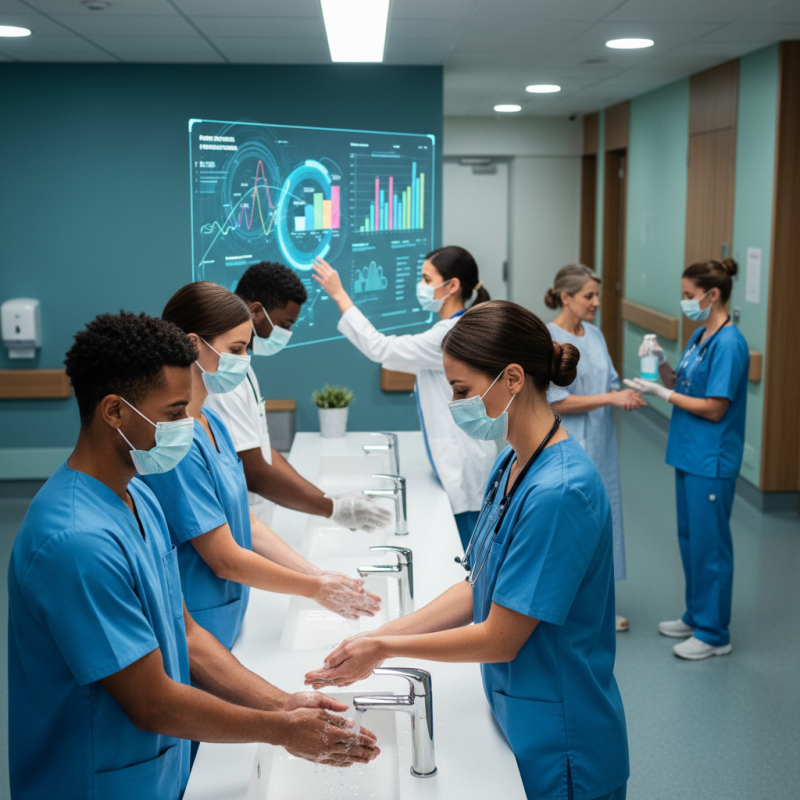
Understanding Infection Control in Hospital Settings
Infection control is crucial for hospitals. These settings are at high risk for infection spread. Effective infection control requires policies, procedures, and continuous education. Staff must understand the importance of hygiene practices. Simple acts, like handwashing, can significantly reduce infection rates.
Regular training sessions reinforce protocols. However, challenges persist. Compliance varies among staff. Some may overlook guidelines due to fatigue or stress. Monitoring adherence can feel like a daunting task, but it is essential. Hospitals need to foster a culture of accountability. This culture encourages everyone to take infection control seriously.
Technology plays a role in effective management. Tools like infection tracking systems provide data. This helps identify outbreaks quickly. Yet, reliance on technology may lead to complacency. Staff might assume that systems can catch everything. Refocusing on human vigilance is vital. While systems assist, the human element remains a key factor in infection control success.
Key Strategies for Effective Infection Prevention
Infection prevention in hospitals is a complex challenge. Effective strategies must be multi-faceted. Training healthcare staff is vital. Regular workshops enhance awareness of infection control protocols. Staff must understand the importance of hand hygiene. Consistent handwashing can reduce infection transmission significantly.
Surveillance of infection rates is another crucial component. Hospitals should continuously monitor infection data. Identifying trends helps in implementing timely interventions. Regular audits of hygiene practices can reveal flaws in protocols. This reflective process promotes accountability among staff.
Moreover, education for patients is essential. Informing them about infection risks empowers participation. Patients should know the importance of cleanliness. They can advocate for their own care, asking questions about infection control measures. Balancing these strategies with practical challenges can be tough, but continuous improvement is vital in the fight against healthcare-associated infections.
Role of Healthcare Staff Training in Infection Control
Effective infection control in hospitals hinges significantly on healthcare staff training. Proper training equips staff with the knowledge they need to recognize and mitigate infection risks. Regular workshops and hands-on training sessions ensure that doctors, nurses, and support staff stay updated on best practices. This proactive approach fosters a culture of awareness and diligence.
Staff training should focus not only on protocols but also on real-life scenarios. Role-playing exercises can enhance response skills during an outbreak. Engaging staff in discussions about past infection control failures can provide crucial learning opportunities. However, some facilities may struggle with consistent training schedules, making it hard to maintain momentum. It’s essential to assess training methods regularly to ensure effectiveness and adaptability.
Documentation and adherence to new guidelines must be emphasized. Staff should have access to up-to-date resources at their fingertips. Inconsistent enforcement can lead to lapses in protocol. Tracking infection rates can help identify training gaps. Regular feedback sessions create an environment of openness, promoting continuous improvement among healthcare staff. The road to effective infection control is a journey of shared commitment and adaptation.
How Do Hospitals Effectively Manage Infection Control? - Role of Healthcare Staff Training in Infection Control
| Training Program |
Frequency |
Duration (Hours) |
Staff Compliance Rate (%) |
Infection Rate (%) |
| Basic Infection Control |
Quarterly |
2 |
85 |
1.5 |
| Advanced Infection Control |
Bi-annually |
4 |
75 |
2.0 |
| Hand Hygiene Training |
Monthly |
1 |
90 |
1.0 |
| Personal Protective Equipment (PPE) |
Annually |
3 |
80 |
1.8 |
Implementation of Advanced Technology in Reducing Infections
The implementation of advanced technology in hospitals has transformed infection control measures. Recent reports indicate that hospitals using electronic surveillance systems can reduce surgical site infections by up to 30%. These systems track infection data in real-time. They alert staff immediately when patterns emerge, allowing for rapid intervention.
Robotic cleaning devices are also making a significant impact. In a study, hospitals that adopted these devices saw a 25% reduction in surface contamination rates. Regular manual cleaning is often inconsistent. Robots provide a level of thoroughness that human cleaners may overlook. This technology helps maintain a higher standard of cleanliness.
However, challenges remain. Many hospitals struggle with the integration of these technologies into existing workflows. Staff training is critical but often insufficient. There can be resistance to change. Managing expectations around technology's effectiveness is vital. While technology offers powerful tools, its success hinges on proper implementation and staff engagement.
Monitoring and Evaluation of Infection Control Practices
Monitoring and evaluation of infection control practices are vital for successful hospital management. Regular audits can uncover gaps in protocols. These exercises help ensure compliance with established standards. Observations should be systematic, focusing on specific areas like hand hygiene and equipment sterilization. A simple checklist can aid staff in self-assessing their practices. Regular feedback fosters a culture of accountability.
Collecting data on infection rates provides valuable insights. Analyzing trends helps identify problem areas. Hospitals can reflect on their practices by sharing findings with clinical staff. Engaging staff in discussions about outcomes enhances their understanding. However, data collection is not always perfect. Some infection cases may go unreported. Encouraging a transparent environment can help address this issue.
Training sessions are essential for improving practices. However, attendance can vary, and sessions may not resonate with all staff. Continuous education programs should be tailored to meet diverse learning needs. By incorporating real case studies, training becomes relatable. Balancing theoretical knowledge with practical applications can lead to more effective infection control. Regular reflection on these training outcomes is key to continuous improvement.
Conclusion
Effective infection control in hospitals is pivotal for safeguarding patient health and ensuring quality care. Understanding the complexities of infection control involves recognizing the unique challenges posed by hospital environments. Key strategies for effective infection prevention include stringent hygiene protocols, use of personal protective equipment, and appropriate sterilization techniques.
Moreover, the role of healthcare staff training cannot be underestimated, as continuous education ensures that all staff members are aware of the latest guidelines and practices. The implementation of advanced technology, such as automated cleaning systems and real-time monitoring tools, plays a critical role in reducing infection rates. Lastly, consistent monitoring and evaluation of infection control practices are essential to identify areas for improvement. By employing these strategies, hospitals manage infection control effectively, thus enhancing overall patient safety and care outcomes.

 SwellMed Medical