Digital Tips for Ensuring Sterile Environments in Hospitals?

Time:2026-06-16 Author:Isabella
0%

Maintaining sterile environments in hospitals is critical for patient safety and recovery. According to the World Health Organization, over 1.4 million people globally are affected by healthcare-associated infections (HAIs) daily. These infections can lead to prolonged hospital stays and increased mortality rates. Therefore, understanding how hospitals ensure sterile environments is essential in mitigating these risks.

Hospitals employ various infection control measures, including advanced sterilization techniques and strict hygiene protocols. A report from the CDC highlights that proper hand hygiene can reduce the incidence of HAIs by up to 50%. However, despite these efforts, lapses still occur. For instance, the Joint Commission found that many healthcare facilities struggle with compliance in infection prevention measures. This indicates that training and awareness are vital for staff.

Digital tools have emerged as significant assets in promoting cleanliness and monitoring adherence to protocols. Sensors and real-time monitoring systems can provide data on environmental conditions, alerting staff to potential risks. Yet, reliance on technology should not overshadow the importance of human factors in maintaining hygiene standards. Continuous improvement in protocols and training remains a core challenge for hospitals, emphasizing the need for ongoing vigilance and adaptation.
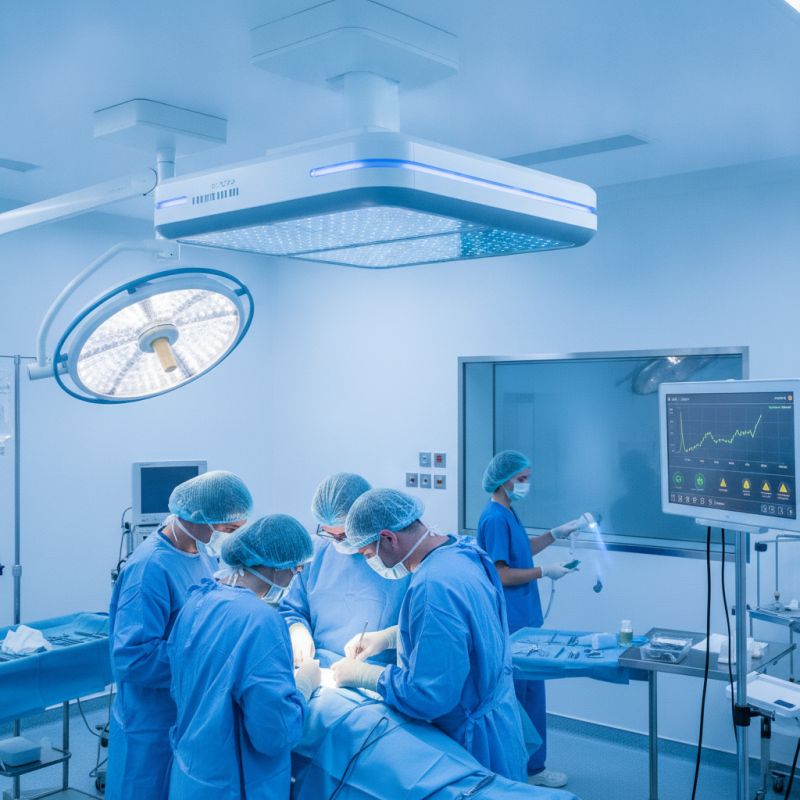
Digital Tips for Ensuring Sterile Environments in Hospitals?

Best Practices for Hand Hygiene in Healthcare Settings

Hand hygiene is crucial in healthcare settings. According to the World Health Organization (WHO), approximately 30% of healthcare-associated infections (HAIs) could be prevented through proper hand hygiene. This statistic highlights the urgent need for effective handwashing protocols in hospitals. Inadequate compliance with hand hygiene practices remains a significant issue, with studies showing that healthcare workers adhere to guidelines only 40% of the time, despite knowing their importance.

Staff education is key to improving hand hygiene. Regular training sessions can reinforce the importance of washing hands before and after patient contact. The Centers for Disease Control and Prevention (CDC) reports that hands should be washed with soap and water for at least 20 seconds. However, it’s evident that many staff members rush this process. Furthermore, healthcare facilities need to ensure that hand sanitizer stations are readily accessible. Research shows that having hand hygiene stations within six feet can increase compliance significantly.

Monitoring hand hygiene practices should not be overlooked. Regular audits can identify areas for improvement. Yet, data reveals that many hospitals lack adequate surveillance measures. Feedback systems can motivate healthcare workers, but they can also bring discomfort. Balancing accountability and encouragement is essential for fostering a culture of safety. Awareness and diligence can effectively reduce HAIs in hospital environments, supporting better patient outcomes.

Digital Tips for Ensuring Sterile Environments in Hospitals: Best Practices for Hand Hygiene in Healthcare Settings

Importance of Air Quality Management in Sterile Environments

Air quality management is critical in maintaining sterile environments within hospitals. Research shows that poor air quality can increase the risk of infections. The American Journal of Infection Control reported that airborne pathogens could be present in hospitals due to inadequate ventilation. Ensuring a clean airflow can significantly reduce the incidence of healthcare-associated infections (HAIs).

In a controlled study, it was found that improving air filtration systems led to a 30% decrease in the presence of airborne microorganisms. Utilizing higher-efficiency particulate air (HEPA) filters can trap 99.97% of particles, including bacteria and viruses, that are 0.3 microns or larger. Many hospitals have yet to adopt these advanced systems. Moreover, regular maintenance of ventilation systems is often overlooked, leading to compromised air quality over time.

Effective air quality management involves continuous monitoring of particulate counts and microbial load in hospital environments. Using digital sensors can provide real-time data. Yet, many facilities still rely on outdated monitoring methods. Regular audits can reveal gaps in practice. Investing in training for staff on the importance of air quality is equally essential. Addressing these areas is crucial for improving patient safety and outcomes.

Guidelines for Proper Use of Personal Protective Equipment (PPE)

In hospitals, maintaining a sterile environment is critical. Personal Protective Equipment (PPE) plays a vital role in this process. According to the Centers for Disease Control and Prevention (CDC), improper use of PPE can lead to infection transmission. Health professionals must understand how to properly wear and dispose of equipment. This includes masks, gowns, and gloves.

Data from the World Health Organization reveals that up to 80% of healthcare-associated infections are preventable with the proper use of PPE. Yet, many healthcare workers still make frequent mistakes. For instance, touching the front of a mask after wearing it can introduce pathogens. Training sessions on PPE usage are essential but often overlooked. Regular refreshers can reinforce correct practices.

Even experienced staff can slip up. In a recent healthcare study, 30% of professionals admitted to improper glove removal. This breach increases the risk of contamination. Clear protocols must be established, and continuous monitoring should be implemented. Hospitals should not underestimate the importance of PPE. Inconsistent practices can undermine overall hygiene efforts and lead to outbreaks.

Digital Tips for Ensuring Sterile Environments in Hospitals
Guidelines for Proper Use of Personal Protective Equipment (PPE)

PPE Type Purpose Usage Guidelines Sterilization Method
Gloves Prevent contamination of hands Change between patients; inspect for damage Single-use
Masks Prevent respiratory transmission Fit snugly; replace if damp Single-use
Goggles/Face Shields Protect eyes from splashes Clean after each use; check for damage Disinfect with approved solution
Gowns Protect skin and clothing Use during procedures; remove after use Single-use or laundered
Head Coverings Prevent hair contamination Wear during surgeries; dispose of after Single-use

Regular Cleaning Protocols for High-Touch Surfaces in Hospitals

In hospitals, high-touch surfaces are hotspots for germs. Regular cleaning protocols are crucial. Areas like doorknobs, bedrails, and light switches must be addressed frequently. Research shows that these surfaces can harbor bacteria for hours or even days. Implementing strict cleaning schedules can reduce infection rates significantly.

Cleaning protocols should also include guidelines on the correct use of disinfectants. Staff training is essential to ensure that everyone understands effective cleaning techniques. Wiping surfaces should be systematic. Using the right cloths and solutions is key. Yet, even the best protocols can falter without accountability.

Sometimes, a routine can lull teams into complacency. Regular audits are necessary to ensure adherence. Identifying lapses can be challenging but important. This approach not only reinforces protocols but also highlights the need for continuous improvement. A sterile environment depends on our commitment to consistent, thorough cleaning practices.

Strategies for Staff Training on Infection Control Measures

Infection control training is critical in maintaining a sterile hospital environment. According to the Centers for Disease Control and Prevention (CDC), around one in 31 hospital patients has at least one healthcare-associated infection (HAI). This alarming statistic highlights the need for effective staff training on infection control measures.

Implementing regular training sessions can help staff understand the latest hygiene practices. The World Health Organization (WHO) recommends using interactive methods, such as simulations and hands-on workshops, to engage staff actively. These techniques ensure that employees can apply their knowledge in real situations, reinforcing the importance of proper hand hygiene and equipment sterilization.

A study by the American Journal of Infection Control found that facilities with robust training programs saw a 20% reduction in HAIs within two years. However, many hospitals still face challenges in sustaining staff knowledge over time. Regular refreshers and updates on infection control practices are necessary to combat complacency. Feedback mechanisms can also help staff reflect on their practices and identify areas for improvement. Such continuous education is essential for achieving better patient outcomes.

FAQS

: Why is hand hygiene important in healthcare settings?

: Hand hygiene prevents approximately 30% of healthcare-associated infections. It's essential for patient safety.

What is the compliance rate for hand hygiene among healthcare workers?

Healthcare workers comply with hand hygiene guidelines only about 40% of the time, despite its importance.

How long should hands be washed to ensure cleanliness?

Hands should be washed with soap and water for at least 20 seconds.

What can improve hand hygiene practices in hospitals?

Regular staff training and accessible hand sanitizer stations can significantly enhance compliance.

What surfaces in hospitals need regular cleaning?

High-touch surfaces like doorknobs, bedrails, and light switches should be cleaned frequently to reduce germs.

Why might cleaning protocols fail in hospitals?

Routine can lead to complacency among staff, resulting in lapses in cleaning practices.

How can hospitals monitor hand hygiene effectively?

Regular audits and feedback systems can help identify areas for improvement and encourage compliance.

What is a challenge with feedback systems for hand hygiene?

They can motivate staff but may also create discomfort, requiring a balance of accountability and support.

How can complacency in cleaning protocols be addressed?

Audits and continuous improvement measures are necessary to maintain a sterile environment.

What role does staff training play in cleaning protocols?

Staff training ensures everyone understands effective techniques and correct usage of disinfectants.

Conclusion

Hospitals prioritize maintaining sterile environments to prevent infections and safeguard patient health. Key practices include stringent hand hygiene protocols, as healthcare workers must consistently wash or sanitize their hands to minimize contamination risks. Additionally, effective air quality management is essential; it involves monitoring and regulating ventilation systems to ensure a clean air supply within clinical areas.

Personal Protective Equipment (PPE) guidelines dictate the proper usage and disposal of gear to protect both staff and patients from pathogens. Regular cleaning of high-touch surfaces is implemented with strict cleaning protocols to reduce the likelihood of disease transmission. Furthermore, investing in continuous staff training on infection control measures fosters a culture of safety and vigilance, ultimately enhancing how hospitals ensure sterile environments.

Isabella

Isabella

Isabella is a dedicated marketing professional with a sharp focus on driving brand growth and engagement through strategic content creation. With an extensive background in digital marketing, she combines her passion for storytelling with her keen understanding of industry trends to deliver......