10 Best Ways Medical Textiles Are Used in Hospitals?

Time:2026-05-19 Author:Oliver
0%

Medical textiles play a vital role in modern healthcare. Hospitals rely on these specialized fabrics for various applications. Understanding how medical textiles are used in hospitals reveals their importance in patient care and safety.

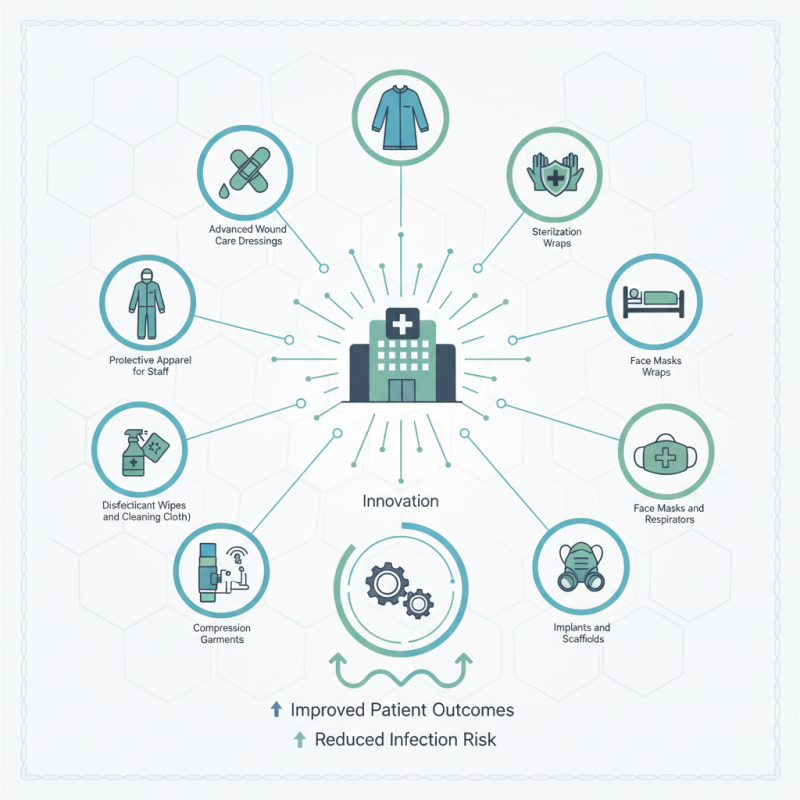
From advanced wound care dressings to surgical gowns, medical textiles enhance treatment efficiency. They are designed to meet strict hygiene and performance standards. In critical care settings, these textiles provide essential support. They can minimize infection risks and improve patient outcomes.

However, the innovation in this field isn't without challenges. New materials are constantly emerging, raising questions about safety and efficacy. Hospitals must remain vigilant in assessing these textiles. Evaluating how medical textiles are used in hospitals ensures they meet patient needs while addressing potential shortcomings. This ongoing reflection is crucial for advancing healthcare quality.
10 Best Ways Medical Textiles Are Used in Hospitals?

Medical Textiles: An Overview of Their Importance in Healthcare

Medical textiles play a crucial role in modern healthcare, offering various solutions for patient care and safety. These specialized materials are designed to meet the unique needs of hospitals and healthcare facilities. From wound dressings to surgical gowns, they ensure both protection and comfort for patients and medical staff. The development of antimicrobial fabrics has significantly reduced infection risks, showcasing the evolution of medical textiles.

Inoperable textile types are often employed in sutures and stents. These are designed to be absorbed by the body over time, facilitating healing. Additionally, advanced textile technology has led to breathable fabrics for patient garments, enhancing comfort during prolonged hospital stays. However, challenges remain, such as the durability of materials and their environmental impact.

Hospitals must carefully choose medical textiles to balance functionality and sustainability. Some products may not perform as expected, leading to potential unanticipated outcomes. Continuous research is essential to enhance the reliability of these materials. The dynamic landscape of medical textiles requires ongoing analysis and adaptation to new healthcare needs.

Infection Control: Role of Antimicrobial Textiles in Hospitals

Infection control is critical in hospitals. Antimicrobial textiles play a vital role in reducing hospital-acquired infections. These specialized materials are woven with agents that inhibit microbial growth. For instance, in surgical gowns and drapes, these textiles protect patients and caregivers alike. Their use reduces the transmission of harmful bacteria and viruses in clinical settings.


The adoption of antimicrobial fabrics isn't without challenges. Some studies suggest that the effectiveness of these textiles can diminish over time. Regular washing and sterilization may affect their antimicrobial properties. Furthermore, the cost of implementing such materials can be high for some facilities. Hospital decision-makers must weigh these factors against the benefits.


Despite these challenges, many hospitals have seen a decrease in infection rates. The integration of antimicrobial textiles is becoming standard in many medical settings. As healthcare evolves, the importance of these materials cannot be overstated. They represent a significant step toward safer hospital environments and improved patient outcomes.

Wound Care: Advanced Dressings and Their Healing Properties

Wound care is a vital aspect of patient treatment in hospitals. Advanced dressings play a significant role in promoting healing. These dressings are often designed to manage moisture levels, protect against infection, and create an optimal environment for tissue regeneration. Many use materials that allow for gas exchange while maintaining a moist wound bed, which is crucial for faster recovery.

The selection of a dressing can vary greatly depending on the wound type. For example, chronic wounds might benefit from hydrocolloid dressings. These dressings absorb exudate while providing a barrier to external contaminants. On the other hand, foam dressings are often utilized for their cushioning properties, suitable for high-friction areas. However, not all dressings work for every wound. Clinical staff must assess each situation carefully, considering patient needs and specific wound characteristics.

Despite advancements, challenges remain in wound management. Different patients heal at different rates. Some dressings may irritate sensitive skin or fail to adhere properly. These issues require ongoing evaluation and adjustments in treatment plans. It's essential to balance innovative solutions with practical care approaches for optimal patient outcomes.

Surgical Textiles: Patient Safety and Efficiency in Operating Rooms

Surgical textiles play a vital role in enhancing patient safety and efficiency in operating rooms. These specialized fabrics are designed to minimize infection risks and improve surgical outcomes. They include surgical gowns, drapes, and linens that offer protection to both patients and medical staff. High-quality materials are essential for optimal breathability and fluid resistance. The right choice of textiles can help maintain a sterile environment, crucial for safe procedures.

When selecting surgical textiles, consider the following tips. Opt for textiles that have been tested for antimicrobial properties. This feature can greatly reduce the chances of post-operative infections. Also, ensure that the materials are lightweight yet durable. This balance aids mobility for surgical teams while maintaining the integrity needed for intensive procedures. Always verify that the textiles meet stringent healthcare standards to ensure reliability.

Reflection on current practices is necessary. While many hospitals invest in high-quality surgical textiles, some still overlook the importance of proper handling and disposal. Inadequate practices in using these textiles can lead to breaches in sterility. Continuous education and awareness among medical staff about the significance of surgical textiles can further enhance patient safety and procedural efficiency.

Reinforcing Support: Textiles in Prosthetics and Orthotic Devices

The integration of textiles in prosthetics and orthotic devices has transformed patient support systems. Research indicates that advanced textile materials enhance comfort and functionality in these devices. For instance, flexible textiles can significantly reduce weight, making prosthetic limbs easier to wear for extended periods.

A study published in the Journal of Materials Science shows that using specialized textiles in orthotic devices contributes to improved patient compliance. These materials can provide better padding and moisture management. Furthermore, breathable textiles help prevent skin irritation, a common issue for users.

However, challenges remain. Some manufacturers struggle to find the right balance of durability and flexibility in textile composites. There may be insufficient understanding of how these materials interact with the body over time. Addressing these concerns requires deeper research and collaboration within the medical textile industry.

10 Best Ways Medical Textiles Are Used in Hospitals - Reinforcing Support: Textiles in Prosthetics and Orthotic Devices

Application Material Used Benefits Common Usage
Prosthetic Liners Silicone, Thermoplastic Elastomers Enhanced comfort, moisture management Amputees, limb support systems
Orthotic Support Polyester, Nylon Injury prevention, pain reduction Foot and ankle braces
Wound Dressings Hydrocolloid, Alginate Moisture retention, infection control Post-surgical recovery, chronic wounds
Compression Garments Lycra, Elastic fibers Improved circulation, reduced swelling Vein and lymphatic disorders, sports recovery
Posture Supports Cotton, Spandex Back support, alignment correction Physical therapy, ergonomic alignment
Surgical Textiles Non-woven fabrics, Biodegradable materials Barrier protection, sterility Surgical drapes, gowns
Smart Textiles Conductive fibers, Sensors Real-time monitoring, feedback Body-worn devices, health monitoring
Rehabilitation Devices Neoprene, High-performance fabrics Flexibility, strong support Joint support, muscle rehabilitation
Bandages Cotton gauze, Elastic bandage Securement, pain relief Wound care, athletic support

FAQS

: What are medical textiles used for in healthcare?

: Medical textiles provide solutions for patient care, ranging from wound dressings to surgical gowns.

How do antimicrobial textiles help in hospitals?

Antimicrobial textiles reduce hospital-acquired infections by inhibiting microbial growth in fabrics.

What challenges do antimicrobial textiles face?

Their effectiveness can decrease over time. Regular washing may affect their antimicrobial properties.

Why is the choice of surgical textiles important?

The right surgical textiles ensure a sterile environment, enhancing patient safety during procedures.

What should hospitals consider when selecting surgical textiles?

Look for antimicrobial properties, durability, and weight for mobility. Compliance with healthcare standards is vital.

Are there concerns about the environmental impact of medical textiles?

Yes, durability and sustainability remain challenges that need to be addressed.

How can improper handling of surgical textiles affect safety?

Poor handling can breach sterility, leading to infections and compromising patient safety.

What role does continuous research play in medical textiles?

Ongoing research enhances materials' reliability and adaptation to ever-evolving healthcare needs.

What must facilities weigh when implementing antimicrobial textiles?

Facilities should balance the costs against the benefits of reduced infection rates.

How can education improve the use of surgical textiles?

Raising awareness among staff about proper practices can enhance safety and efficiency during operations.

Conclusion

Medical textiles play a crucial role in enhancing patient care within hospitals, serving a variety of essential functions. They are extensively utilized for infection control, employing antimicrobial properties to reduce the risk of hospital-acquired infections. Moreover, advanced wound care dressings made from innovative textile materials promote faster healing and improve overall patient outcomes.

In the surgical environment, specialized textiles ensure safety and efficiency, protecting both patients and healthcare staff during procedures. Additionally, medical textiles are vital in the development of prosthetics and orthotic devices, providing necessary support and comfort to patients with mobility challenges. Overall, understanding how medical textiles are used in hospitals highlights their transformative impact on healthcare, emphasizing their importance in improving clinical practices and patient experiences.

Oliver

Oliver

Oliver is a seasoned marketing professional with a wealth of expertise in driving brand awareness and engagement. With a deep understanding of our company's product offerings, he consistently delivers high-quality content that enriches our professional blog. His insights not only shed light on......