When discussing healthcare products, a crucial question arises: what is the difference between sterile and non sterile products? This distinction impacts various industries, especially healthcare and pharmaceuticals. Understanding these differences is essential for professionals to ensure safety and efficacy in their practices.
Sterile products are designed to eliminate all forms of microbial life. They undergo rigorous processes, ensuring no contaminants. Their applications range from surgical instruments to injectable medications. By contrast, non sterile products might contain flora that doesn’t pose risks in specific contexts. These include items like bandages or certain topical medications.
The complexity of these categories can lead to confusion. Many professionals might overlook the implications of using the wrong type. Such oversights can have serious consequences for patient safety. Whether you're a practitioner or a consumer, navigating these terms is vital. Understanding the nuances strengthens your ability to make informed choices.
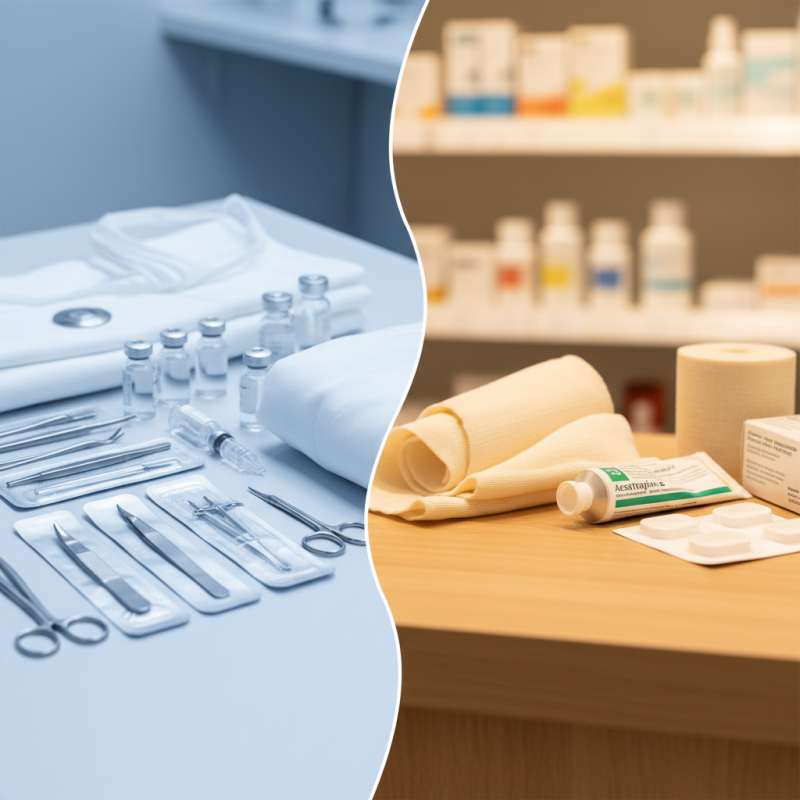
Sterile products are crucial in healthcare settings. They are defined as items free of all living microorganisms. This includes bacteria, viruses, and spores. Sterility is often achieved through methods like steam sterilization, ethylene oxide, or radiation. Important characteristics of sterile products include packaging that maintains sterility until opened. This packaging must be intact and undamaged to ensure safety.
The effectiveness of sterile products hinges on rigorous quality control processes. However, events like packaging flaws can compromise sterility. In such cases, the product is rendered unusable. Additionally, while many use sterile items safely, training is still essential. Users must understand the importance of following recommended protocols to avoid contamination. This highlights the responsibility of both manufacturers and end-users in maintaining sterility.
Understanding the nuances of sterile products is vital. Proper training enhances safety and effectiveness. However, not all environments maintain the same standards, leading to potential lapses. Continuous education on sterile handling is necessary for all healthcare professionals. Awareness of these issues can reduce risks significantly.
The chart above illustrates the usage frequency of sterile and non-sterile products. Sterile products are significantly more frequently used at 80% compared to non-sterile products at 20%. This highlights the importance and demand for sterile items in various applications.
Non-sterile products play a crucial role in various industries, particularly healthcare and manufacturing. These items are not subjected to sterilization processes, making them suitable for specific applications. Understanding the features of non-sterile products is important for proper usage and compliance.
Typically, non-sterile products include items like gauze, bandages, and surgical drapes used in non-invasive procedures. They are designed for low-risk applications where sterility is not critical. Such products often undergo rigorous quality control measures to ensure reliability, yet their effectiveness can be influenced by storage and handling. It's essential to apply best practices to maintain their integrity, as contamination can occur easily.
One key aspect to consider is the limitations of non-sterile products. While they serve vital functions, they may not be suitable for all procedures. Their application is often context-dependent, and using them in critical environments can lead to unintended consequences. Reflection on their proper use promotes safer practices and reduces risks associated with infections or complications. Understanding these nuances empowers healthcare professionals and other users to make informed decisions about product selection.
When considering sterile and non-sterile products, it's crucial to understand their fundamental differences. Sterile products undergo rigorous processes to eliminate all forms of microbial life. These products are essential in medical settings, where infection risk is a major concern. Procedures like autoclaving or gamma radiation ensure that the items meet safety standards.
In contrast, non-sterile products may not undergo the same stringent processes. They are often used in less critical environments. For instance, non-sterile gloves can be used for food preparation or everyday cleaning. Some may question their efficacy in certain tasks, which highlights the importance of context. Using non-sterile items in a sterile environment can lead to contamination.
The distinction between these categories is not always clear-cut. There are products that fall in between, and their application often depends on the specific situation. Users need to make informed choices about the products they select. They should weigh the risks and benefits carefully. This analysis requires knowledge of both types to ensure safety and effectiveness in various applications.
In many industries, sterilization plays a vital role. It ensures the safety and efficacy of products used in healthcare, food, and pharmaceuticals. Sterile products are free from harmful microorganisms. Non-sterile items can pose risks if not handled properly. This differentiation is crucial for protecting public health.
In healthcare, sterile equipment like surgical instruments must be used. Any contamination can lead to severe infections. Conversely, non-sterile products, such as bandages, may be suitable in some cases. Understanding the context of usage is key. Production standards dictate whether an item is labeled sterile or non-sterile.
Tips for ensuring proper sterilization include regular training for staff. Staying updated on best practices is essential. Implement strict protocols for handling and storing products. Monitor sterilization processes closely. Consider routine audits to identify and rectify potential flaws. Reflecting on these practices can help strengthen safety measures in your operations.
Understanding the regulatory standards and guidelines for sterile manufacturing is crucial for the pharmaceutical and medical device industries. Sterile products require stringent processes to ensure they are free from microorganisms. The U.S. Food and Drug Administration (FDA) emphasizes the importance of Good Manufacturing Practices (GMP) in maintaining product sterility. According to a report by the International Society for Pharmaceutical Engineering (ISPE), 65% of contamination incidents stem from inadequate manufacturing practices.
The sterile manufacturing process includes rigorous testing and validation. Environmental monitoring is essential to detect any microbial presence. Cleanrooms must adhere to specific standards, such as ISO 14644-1, which outlines air cleanliness within controlled environments. In a study, up to 30% of facilities failed to meet these standards, indicating a need for continuous assessment and improvement.
Tip: Regular training for staff on sterile techniques can prevent contamination. Additionally, investing in updated technology and equipment helps maintain compliance with evolving regulations.
Documentation and traceability play a vital role in sterile manufacturing. Companies must maintain records that outline each step of the process. The FDA requires documentation of all sterilization methods used. Ample documentation supports the prevention of issues in the future. A lapse in record-keeping can lead to significant setbacks.
Tip: Implementing an electronic documentation system can streamline record maintenance. Frequent audits of these records ensure ongoing compliance and highlight areas for improvement.
: Sterile products are items free from all living microorganisms. This includes bacteria, viruses, and spores.
Sterility is often achieved through methods like steam sterilization, ethylene oxide, or radiation.
Intact packaging is essential to maintain sterility. Damage to the packaging can compromise the product's safety.
A packaging flaw renders the sterile product unusable. It highlights the importance of quality control.
Yes, training helps users follow protocols to avoid contamination. Awareness is crucial for safety.
Sterile products undergo processes to eliminate microbial life, while non-sterile products may not.
No, using non-sterile items in sterile areas can lead to contamination. Context matters significantly.
Continuous education on sterile handling helps reduce risks. Not all environments maintain the same standards.
Yes, some products exist between these categories. Their application depends on specific situations.
Users should weigh the risks and benefits. Knowledge of both types of products is essential for safety.
The article titled "2026 Best Guide to Sterile vs Non Sterile Products Explained" provides a comprehensive overview of the distinctions between sterile and non-sterile products. It begins by defining sterile products, which are free from viable microorganisms, and outlines their key characteristics, such as the necessity for specific sterilization processes. In contrast, non-sterile products are discussed in terms of their essential features and typical applications, highlighting their significant role in various industries.
A comparative analysis is presented, addressing what is the difference between sterile and non sterile products, emphasizing the importance of sterilization in sectors like healthcare and pharmaceuticals. The article also touches on regulatory standards and guidelines that govern sterile manufacturing, underscoring the necessity for compliance to ensure product safety and efficacy. Overall, the guide serves as an essential resource for understanding the implications and applications of both types of products in industry practices.

SwellMed Medical